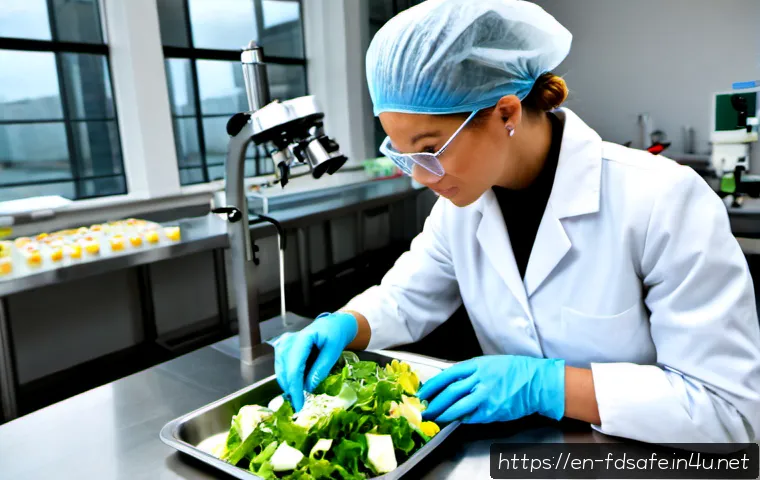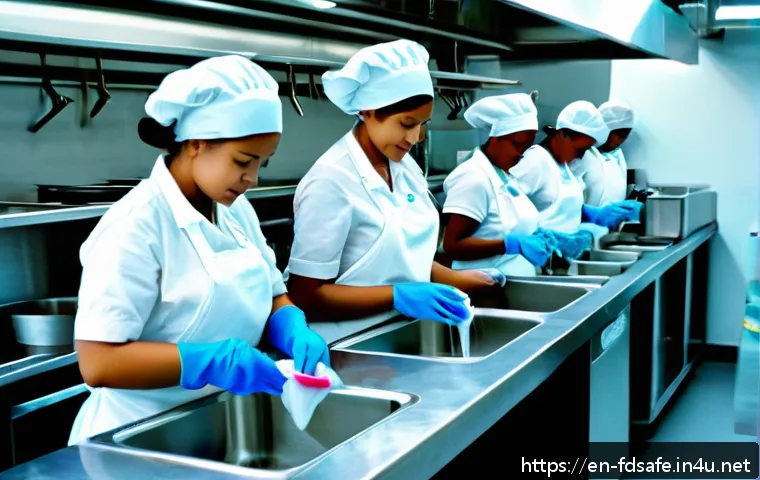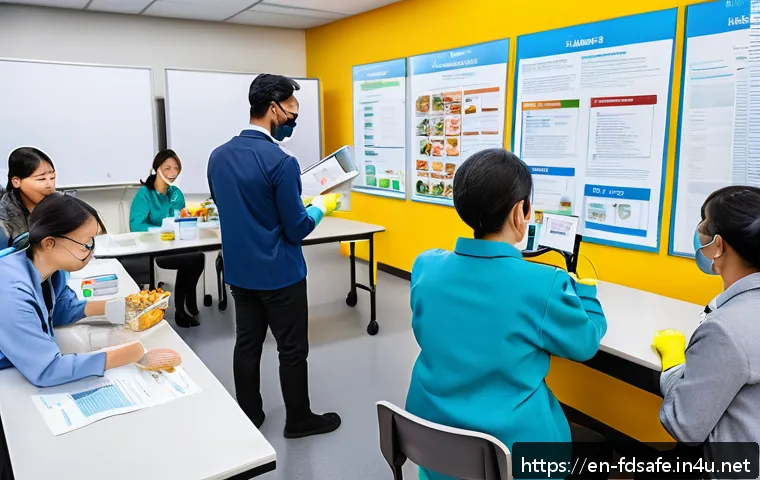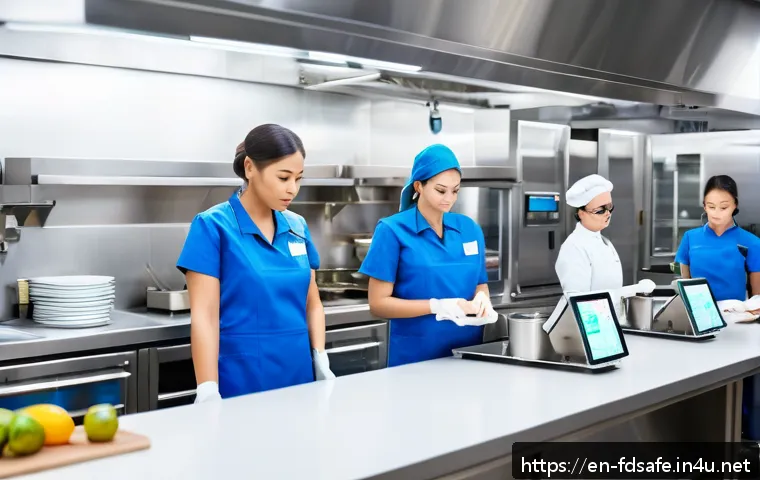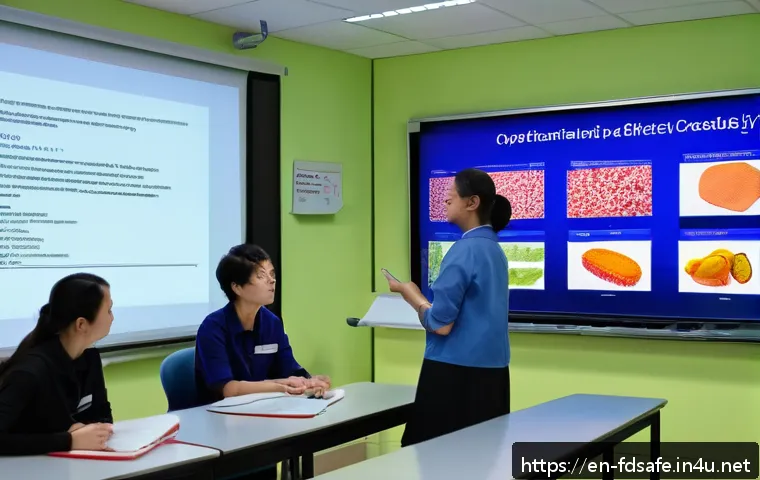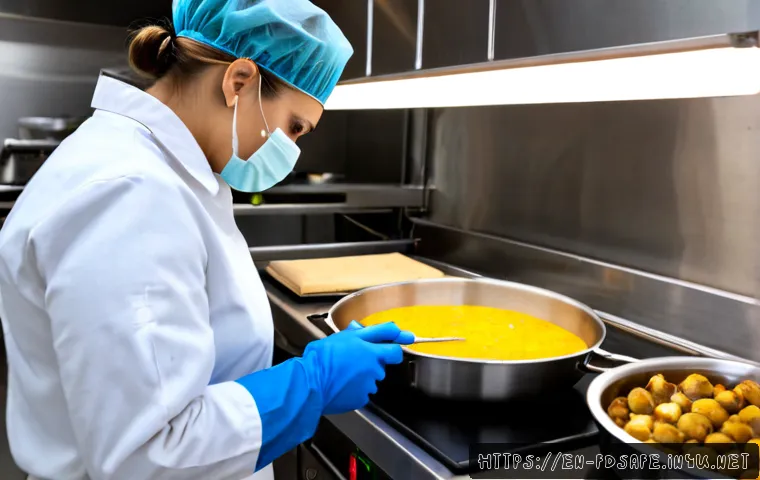
The most useful food hygiene skills are preventing contamination, checking time and temperature, cleaning and sanitizing correctly, managing allergens, and documenting critical checks.
The right monitoring method depends on how complex the operation is, how often checks are needed, and what local food rules require. A small café with steady supervision may work well with clear paper logs and a calibrated thermometer.
A busy restaurant, delivery kitchen, or multi-site operation may benefit from digital temperature logging and more structured food safety management tools.
Training and external audit support can be useful when staff turnover is high, procedures are changing, or recurring gaps need an independent review. The goal is not more paperwork; it is a routine that helps the team spot and correct problems before food is served or sold.
At a Glance
- Prevent contamination: focus on hand hygiene, clean tools, separated storage, and allergen communication.
- Control temperature: use a calibrated thermometer, follow local requirements, and record consistent checks.
- Choose practical records: use manual logs, digital monitoring, or professional support based on workflow complexity.
| Option | Best Fit | Main Strength | Points to Check |
|---|---|---|---|
| Manual checklists | Small teams with simple, supervised routines | Easy to start and adapt to daily tasks | Staff must complete records consistently and keep them accessible |
| Digital temperature logs | Frequent checks, larger teams, long operating hours, or multiple locations | Improves traceability and can make record review easier | Confirm staff training, maintenance needs, local acceptance, and supplier documentation |
| Managed compliance support | Businesses updating procedures, preparing for reviews, or addressing repeated gaps | Offers structured guidance and an outside perspective | Check scope, local relevance, and whether the service fits your actual operation |
The Core Skills That Keep Food Operations Safer
The core answer is straightforward: food hygiene work is strongest when staff can prevent contamination, control time and temperature, and document the checks that matter. These skills reduce avoidable foodborne illness risks when they are used together rather than treated as separate tasks.
Three Immediate Priorities: Prevent Contamination, Control Temperature, and Document Critical Checks
Personal hygiene begins with proper handwashing at contamination-risk moments, including after handling raw food or using the restroom. Cross-contamination control means keeping raw food, ready-to-eat food, equipment, and storage containers properly separated. Temperature monitoring requires a suitable thermometer and a consistent process for checking food at relevant points in the workflow.
Documentation closes the loop. A record can show that a check happened, identify a recurring issue, and support corrective-action tracking. It should be simple enough for staff to complete correctly during a busy shift.
Why Consistent Routines Matter More Than One-Time Training
Food safety training is useful when it turns expectations into repeatable actions. A single course does not replace shift routines, manager review, or clear handover communication. For example, a team may know that food-contact surfaces need sanitation, but errors still occur if the cleaning sequence, responsible person, and follow-up check are unclear.
Build routines around the moments when mistakes are most likely: receiving deliveries, preparing raw ingredients, changing tasks, handling an ingredient change, storing food, and closing down equipment. Short, visible procedures are often easier to follow than a long policy document that stays in a folder.
Match the Right Hygiene Method and Monitoring Tool to Your Operation
There is no universal “best” food safety management system. The best choice is the one that your staff can use reliably while meeting applicable local inspection and recordkeeping requirements.
Manual Checklists vs Digital Temperature Logs vs Managed Compliance Support
Manual checklists can be practical for a small operation with a stable menu, limited equipment, and direct manager oversight. They work best when forms are easy to find, entries are reviewed, and missed checks lead to follow-up.
Digital temperature logging systems may be worth considering when checks are frequent or records are difficult to organize across shifts. They can support traceability, but they still require staff training, reliable review, and maintenance. Technology does not correct unsafe handling by itself.
External food safety support can add value when a business is revising procedures, onboarding many new staff members, preparing for an audit, or dealing with repeated documentation gaps. The service should understand the local food authority’s requirements and the practical realities of the kitchen.
Comparison Criteria: Staff Time, Multi-Site Needs, Traceability, Maintenance, and Budget
Start with staff capacity. If employees have little time to complete complex forms, simplify the process before buying more software. Consider whether you need records from several shifts or locations, whether managers can review logs quickly, and how easily a missing entry can be noticed.
Also compare traceability, device maintenance, training needs, and record access during an internal review or inspection. A lower-cost option is not helpful if it creates incomplete records. A more advanced system is not helpful if the team cannot operate it consistently.
When Paid Training or an External Audit Can Provide Practical Value
Paid food hygiene training may be useful when staff need structured instruction on contamination prevention, allergen handling, cleaning procedures, or thermometer use. External audit support may be useful when internal checks repeatedly reveal the same weakness or when procedures need a practical update.
Before selecting a provider, ask what the training or audit covers, how it connects to your local rules, what records it produces, and what follow-up support is included. Review the official details and service conditions on the relevant provider page before committing.
Daily Procedures: Hand Hygiene, Cleaning, Sanitizing, and Safe Storage
Daily food hygiene depends on small actions completed at the right time. The important distinction is that cleaning and sanitizing are not the same task.
Cleaning Versus Sanitizing Food-Contact Equipment
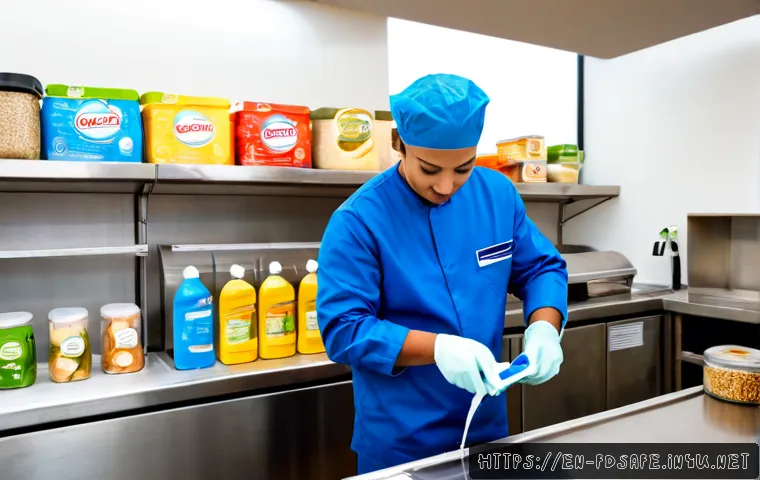
Cleaning removes food residue and other visible soil. Sanitizing follows cleaning and is intended to reduce contamination on food-contact surfaces. Skipping cleaning can weaken the sanitation process because residue remains on the surface.
Use a clear sequence for equipment that touches food: remove residue, clean, sanitize as appropriate, and allow the process to work as directed by the relevant product instructions and local requirements. Do not assume that one product, concentration, or method is suitable everywhere; sanitation chemical requirements must be verified locally.
Preventing Cross-Contamination During Receiving, Prep, Service, and Storage
At receiving, check that food is handled in a way that supports your operating standards. During preparation, separate raw ingredients from ready-to-eat food through workflow, utensils, containers, and surfaces. During service, avoid reusing tools in ways that transfer contamination. In storage, keep containers identified and organized so staff can avoid preventable mix-ups.
A useful question for every task is: What could touch this food before the customer does? That question often reveals a shared utensil, crowded prep surface, or storage container that needs attention.
Allergen Controls and Clear Team Communication
Allergen cross-contact can occur through shared tools, preparation areas, storage containers, and poorly communicated ingredient changes. A reliable process identifies where allergen information comes from, how changes are communicated, and which tools or areas require separation.

Do not rely on memory alone when recipes or suppliers change. Make ingredient updates visible to the people receiving, preparing, serving, and packaging food. When a customer asks about allergens, staff should follow the business procedure rather than guess.
Temperature Checks, Corrective Actions, and Recordkeeping
Temperature monitoring is valuable because it helps identify a problem before food is served or sold. The required limits and actions depend on food type, process, and local food authority rules.
Using and Checking Thermometers Correctly
Use a thermometer suited to the food and task, and keep it calibrated according to the equipment instructions and your operating procedure. Train staff to place the probe appropriately, avoid cross-contamination during use, and clean it between checks as required.
Consistency matters. A temperature reading is more useful when staff know what item was checked, when it was checked, and what standard applies to that task.
What to Record and How to Respond When a Check Falls Outside the Safe Operating Standard
A useful record may include the item or equipment checked, the time, the result, the staff member, and the corrective action when needed. If a result falls outside your established operating standard, follow the procedure approved for your business and local requirements. Record what happened rather than leaving a blank or altering an earlier entry.
Corrective action tracking helps managers see whether the same issue appears repeatedly. Repeated problems may point to training needs, equipment concerns, scheduling pressure, or a procedure that is unrealistic during service.
Common Documentation Mistakes That Weaken Internal Controls
Common weaknesses include filling in logs long after the task, recording unclear entries, failing to note corrective actions, and storing records where nobody reviews them. Another mistake is treating records as an inspection-only task. They are more useful when managers review them as an operational tool.
Practical Differences by Food Business Type
Fast-Paced Restaurants and Cafés
Restaurants and cafés often need concise checklists because tasks change quickly between prep, service, and closing. Focus on handwashing moments, separated preparation, food-contact equipment, temperature checks, and clear shift handovers. A digital log may be worth comparing when frequent checks are difficult to review on paper.
Catering, Mobile Food Operations, and Delivery-Focused Kitchens
These operations may face changing locations, transport steps, and less predictable schedules. Records should make it clear who completed checks and when. Portable thermometer practices, storage controls, and clear corrective-action procedures become especially important when food moves between locations.
Small Producers and Packaged-Food Preparation Teams
Small production teams may need stronger consistency around ingredient identification, allergen communication, batch-related records, cleaning schedules, and equipment checks. As output or staff numbers grow, review whether the existing recordkeeping method still provides enough traceability.
Selection Criteria and Comparison Summary
Choose a system based on staff capacity, recordkeeping needs, menu and process risk, operating hours, and local inspection requirements. Manual processes may suit a simple workflow with reliable supervision. Consider digital monitoring when records are frequent, teams are larger, or locations multiply. Consider professional support when preparing for audits, updating procedures, or addressing recurring gaps. Before purchasing training, monitoring equipment, or audit services, check the official details, supplier documentation, and local authority expectations on the relevant pages.
In Closing
Strong food hygiene is built from repeatable daily habits, not from a single form or tool. Start with contamination prevention, correct cleaning and sanitizing, temperature checks, allergen communication, and usable records. Then choose manual logs, digital systems, or outside support only when they make the routine easier to complete and review. Local rules remain the final reference for required procedures.
Useful Information to Know
1. Cleaning and sanitizing have different purposes and should not be treated as interchangeable.
2. A calibrated thermometer and consistent records can help reveal problems early.
3. Shared utensils, surfaces, and containers can create allergen cross-contact.
4. Records are most valuable when they lead to review and corrective action.
Important Notes
Food safety licensing, inspection procedures, certification expectations, temperature limits, sanitation chemical requirements, and recordkeeping rules vary by country, state, county, and municipality. Verify the requirements that apply to your location and operation with the relevant local food authority. This guide provides general operational information and does not replace local regulatory guidance.
Frequently Asked Questions
Q1. What are the most important practical skills for a food hygiene professional?
A1. Key skills include proper hand hygiene, preventing cross-contamination, cleaning and sanitizing food-contact surfaces, allergen communication, thermometer use, temperature monitoring, recordkeeping, and following corrective-action procedures.
Q2. Is a digital temperature logging system worth the cost for a small food business?
A2. It may be useful if checks are frequent, records are hard to review, operating hours are long, or more than one person or location is involved. A small business with a simple workflow and consistent supervision may find well-managed manual logs sufficient. Check local requirements and supplier documentation before deciding.
Q3. When should a restaurant consider external food safety training or audit support?
A3. Consider it when procedures are being updated, staff turnover is high, internal reviews reveal repeated gaps, or the business needs structured preparation for an audit or inspection. Choose support that fits the operation and reflects applicable local requirements.