
Food safety roles are evolving with stricter documentation, digital traceability, supplier oversight, and audit readiness. Learn which skills matter, when to hire in-house or outsource, and how to evaluate training and compliance costs.
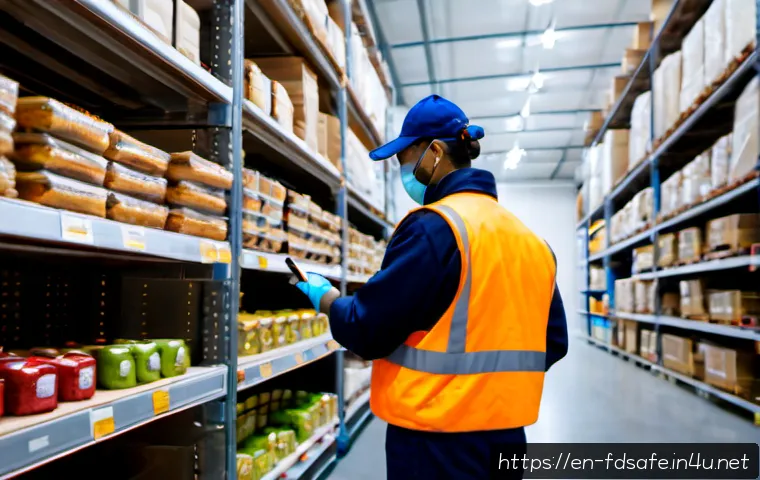
Food safety work now extends far beyond basic hygiene checks: businesses need reliable documentation, traceability, supplier oversight, and corrective-action follow-through.
The right model depends on how much daily control your operation needs, how quickly gaps must be addressed, and whether internal teams can own the process.
An in-house specialist can strengthen everyday accountability, while a consultant can provide focused expertise and a managed compliance provider can support routine systems.
Food safety certification training, audit readiness consulting, and compliance software should be evaluated as connected tools—not as substitutes for operational ownership.
Exact role requirements, certifications, and regulatory expectations should always be verified with the relevant local authority and business category.
A practical comparison of scope, reporting, response time, and total annual cost makes the decision clearer.
At a Glance
- Food safety staffing needs are expanding because records, supplier controls, traceability, and corrective actions require consistent attention.
- No single model fits every business: an internal hire, consultant, and software-supported system solve different operational problems.
- Training and certification help, but daily execution matters more than a certificate alone.
| Option | Best Fit | Control and Speed | Cost Considerations | Audit Support |
|---|---|---|---|---|
| In-house food safety professional | Operations needing daily oversight and clear process ownership | High control; direct access to teams and records | Salary, onboarding, training, and internal systems | Can prepare records and lead follow-up continuously |
| Food safety consultant | Businesses needing specialist support or a rapid gap review | Focused expertise; availability depends on the service scope | Project, retainer, travel, and audit-preparation scope may vary | Useful for assessments, preparation, and targeted improvements |
| Compliance software-supported model | Teams managing repeatable checks across people, shifts, or locations | Improves record consistency; still requires accountable staff | Implementation, subscriptions, training, and process setup | Can make records easier to organize and review |
What Is Changing in Food Safety Work and Why It Matters to Businesses
The Shift From Basic Hygiene Checks to Documented Risk Management
Food hygiene work has moved toward documented risk management. Cleaning checks and temperature logs remain important, but businesses also need evidence that procedures are understood, followed, reviewed, and corrected when problems appear. This creates demand for people who can connect daily operations with compliance management rather than simply collect forms.
Why Traceability, Supplier Oversight, and Corrective-Action Records Affect Staffing Needs
Traceability records, supplier documentation, and corrective-action tracking can create substantial administrative work when they are handled inconsistently. A business may need more support when products, suppliers, locations, or handoffs become more complex. The main question is not “How many food safety staff are required?” There is no universal staffing ratio. The better question is whether someone has clear responsibility for reviewing records and making sure issues are closed.
Practical Business Takeaway
More documentation creates more management work.
More operational complexity increases the value of clear ownership.
Training, consulting, and software work best when responsibilities are defined first.
In-House Food Safety Staff vs Consultants vs Compliance Platforms
When a Dedicated Employee May Be the Better Long-Term Investment
An internal food safety professional may be valuable when daily decisions require close oversight. This can include frequent sanitation verification, regular supplier follow-up, frontline training, recurring internal audits, or ongoing corrective actions. The advantage is continuity: one person can understand the operation’s routines and identify gaps before they become repeated problems. The caution is that a job title alone does not create a functioning food safety system; authority, time, and leadership support still matter.
When Outsourced Expertise Can Reduce Short-Term Compliance Gaps
Food safety consulting can be useful when a business needs an independent review, audit readiness support, targeted procedure development, or expertise that is not needed every day. A consultant can help define priorities and improve a weak area quickly. Before signing an agreement, clarify the scope of work, response expectations, deliverables, site visits, reporting format, and whether corrective-action follow-up is included.
Where Digital Compliance Tools Can Improve Consistency Without Replacing Accountability
Compliance software can support recurring tasks such as checklists, record storage, issue tracking, and review workflows. It may be particularly helpful when several teams or locations need the same process. However, software does not verify that a procedure was meaningfully completed, that a supplier concern was resolved, or that employees understand the required practice. Assign an internal owner for the system before implementation.
Skills Employers Are Prioritizing in Food Hygiene and Safety Roles
Hazard Analysis, Preventive Controls, Sanitation Verification, and Recordkeeping
Strong food safety roles combine practical operations knowledge with the ability to maintain defensible records. Useful capabilities include identifying hazards, supporting preventive controls, verifying sanitation activities, reviewing deviations, and keeping records organized. Employers should look for people who can explain why a control matters, not only how to complete a form.
Internal Audit Preparation and Corrective-Action Follow-Through
Audit readiness is not a one-time task. It depends on whether records are complete, whether procedures match actual practice, and whether identified problems have documented follow-up. A capable food safety lead should be able to track a corrective action from discovery through review, rather than simply recording that an issue occurred.
Communication Skills for Frontline Teams and Suppliers
Food safety systems depend on people across receiving, storage, production, transport, service, and management. Clear training and respectful communication help turn written procedures into repeatable behavior. Supplier communication also matters when product specifications, documents, or concerns require follow-up.
Evaluating Credentials Without Relying on Certificates Alone
Food safety certification training can be a useful screening factor, but it should not be the only one. Ask how the candidate or provider applies knowledge in real workflows, manages incomplete records, trains teams, and responds to recurring nonconformities. Certification and licensing requirements vary by location, employer, and food business category, so verify local requirements separately.
Cost Drivers and Operational Risks to Review Before Hiring or Outsourcing
Beyond Salary: The Full Compliance Cost Picture
When evaluating an internal hire or outsourced food safety management service, include more than base compensation or a quoted consulting fee. Relevant cost drivers may include training, certification support, compliance software implementation, documentation time, supplier controls, corrective actions, and audit preparation. The lowest initial quote may not provide the reporting, availability, or follow-up your operation actually needs.

The Hidden Cost of Incomplete Records and Inconsistent Procedures
Incomplete records can slow internal reviews and make it harder to understand whether a problem was isolated or recurring. Inconsistent procedures also create confusion between shifts, locations, and managers. The operational cost is often time: time spent recreating information, resolving avoidable questions, or repeatedly correcting the same issue.
Questions to Ask Before Requesting a Service Quote
Ask what is included in the scope, who performs the work, how quickly support is available, and how findings will be reported. Confirm whether the provider supports staff training, supplier documentation, internal audit preparation, corrective-action verification, and implementation of compliance technology. Ask for a clear description of responsibilities on both sides.
Common Mistakes to Avoid
Common errors include under-scoping the service, assigning unclear responsibility, and treating one-time training as a permanent solution. Another mistake is purchasing software before deciding who will review alerts, maintain records, and follow up on exceptions. Build the operating process first, then select the support model.
Practical Guidance by Business Type
Small Food Businesses and Growing Operators
Smaller businesses may benefit from a practical consultant-led review combined with a designated internal owner. As operations grow, formal documentation and scheduled reviews become more important. Choose training that fits the actual roles of staff rather than a generic program with no operational follow-up.
Multi-Location Restaurants, Retailers, and Catering Operations
Multi-location operations often need consistency across sites. A software-supported compliance model may help standardize checklists and reporting, while regional or internal leadership reviews trends and exceptions. The key risk is assuming that standardized forms automatically create standardized practice.
Manufacturers, Warehouses, and Distribution Businesses
Businesses with production, storage, handling, or distribution steps may need closer attention to sanitation verification, traceability, supplier oversight, and corrective-action records. Dedicated internal expertise can become more valuable when daily processes and cross-team handoffs are extensive. External audit consulting can still provide useful independent review.
Importers and Supplier-Dependent Operations
Supplier-dependent businesses should clearly define who reviews supplier documents, handles missing information, and follows up on concerns. An external specialist may help establish the process, but an internal owner should remain accountable for ongoing supplier management.
Selection Criteria and Comparison Summary
Choose in-house support when daily oversight, staff coaching, and process ownership are essential. Choose external support when specialized expertise, a rapid gap assessment, or periodic independent review is needed. Choose compliance technology when repeatable records and visibility across teams are the main challenge.
Before selecting food safety training, audit readiness consulting, or compliance software, compare:
- Scope: Which processes, sites, suppliers, and records are included?
- Reporting support: Will findings be clear enough for managers to act on?
- Response time: Who is available when a compliance issue needs attention?
- Implementation ownership: Who trains staff and verifies follow-through?
- Total annual cost: Include service fees, internal time, training, software, and follow-up work.
Review the provider’s official service details and terms to confirm what is included before making a final selection.
Final Thoughts
Food safety workforce planning is an operational decision, not simply a hiring decision. The strongest approach gives someone clear ownership of daily controls, records, supplier follow-up, and corrective actions. Consultants and compliance platforms can add real value, but they are most effective when the business has defined responsibilities internally. Match the support model to your actual workflow, complexity, and ability to act on findings.
Useful Information to Keep in Mind
1. Training is most useful when it is reinforced in daily work.
2. Audit readiness improves when records are reviewed routinely, not only before an audit.
3. Software can improve consistency, but it does not replace management review.
4. Supplier controls require an owner, even when outside support is used.
Important Considerations
Certification requirements, licensing rules, enforcement priorities, staffing expectations, and service costs vary by country, state, facility type, and employer. This article is general business guidance rather than regulatory or legal advice. Confirm applicable requirements with the relevant local authority and assess each provider’s scope before relying on training, consulting, or compliance management services.
Frequently Asked Questions
Q1. When should a small food business hire a food safety professional instead of using a consultant?
A1. Consider an internal professional when food safety needs daily attention, records require frequent review, staff need continuous coaching, or corrective actions are regularly delayed. A consultant may be more suitable when the business needs targeted expertise, a gap assessment, or help building a system that an internal manager can maintain.
Q2. What should businesses compare when evaluating food safety training or compliance consulting services?
A2. Compare scope, industry relevance, reporting support, response time, implementation assistance, corrective-action follow-through, and total annual cost. Also confirm whether the service addresses your actual workflows rather than providing only generic materials or a one-time review.
Q3. Can food safety software reduce the need for internal hygiene and compliance staff?
A3. Software can reduce manual recordkeeping and improve visibility, but it does not remove the need for accountability. Someone still needs to review records, respond to exceptions, train employees, and verify that procedures are being followed in practice.