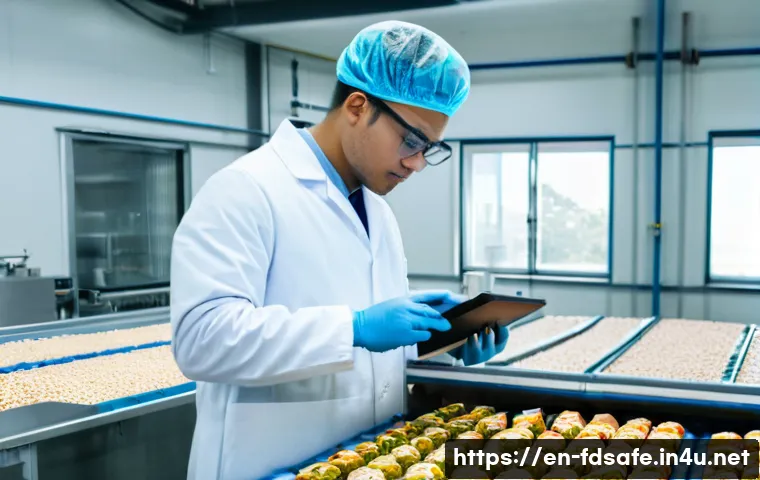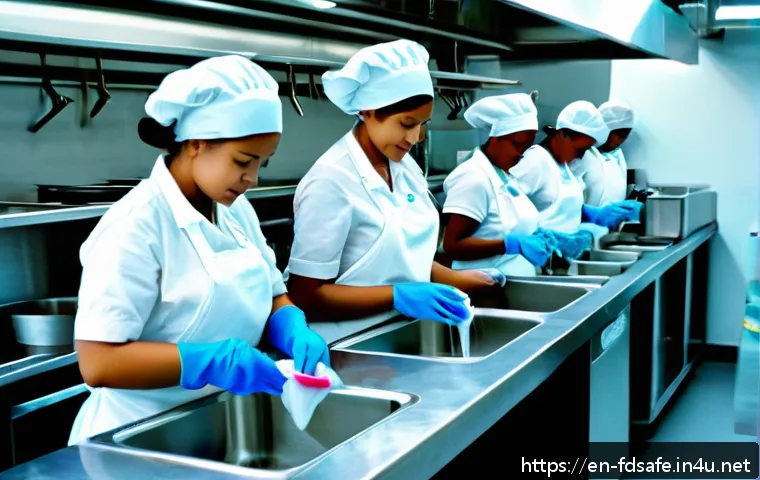
In today’s world where food safety is more critical than ever, mastering the practical food hygiene exam isn’t just a requirement—it’s a gateway to ensuring public health and building trust in the food industry.
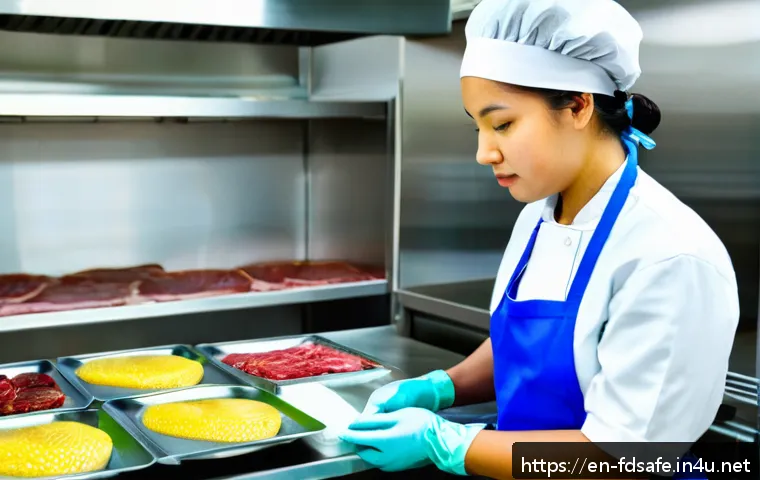
With rising awareness around contamination risks and regulatory standards tightening, understanding the key evaluation criteria can make all the difference.
Whether you’re a food handler, manager, or aspiring professional, getting a firm grasp on these essentials will set you apart. Let’s dive into what examiners are really looking for and how you can confidently ace this vital test.
Stick around—I’ll share insights that helped me succeed firsthand and can boost your chances too!
Understanding Personal Hygiene Standards for Food Handlers
Importance of Proper Handwashing Techniques
Mastering handwashing is a foundational skill in food hygiene, yet many underestimate its complexity. Effective handwashing involves scrubbing all surfaces of the hands, including under the nails and between fingers, for at least 20 seconds with warm water and soap.
Rinsing thoroughly and drying with a disposable towel prevents recontamination. From my experience working in commercial kitchens, I noticed that those who neglect proper handwashing often unintentionally transfer harmful bacteria to food or surfaces.
Remember, even a slight lapse can lead to cross-contamination, so examiners pay close attention to your hand hygiene practices during the practical exam.
Appropriate Use of Protective Clothing
Wearing clean, dedicated clothing such as aprons, hairnets, and gloves is another critical area. It’s not just about having the gear but using it correctly.
For example, gloves must be changed regularly, especially after handling raw ingredients or touching non-food surfaces. Hairnets should cover all hair completely to prevent stray hairs from contaminating food.
During my preparation, I found it helpful to simulate real working conditions by practicing changing gloves at the right moments and ensuring my apron was spotless.
The examiners look for consistent adherence to these standards, as it reflects your commitment to food safety.
Maintaining Overall Cleanliness and Health
Food handlers must also demonstrate awareness of their own health status. Cuts, wounds, or illnesses can harbor pathogens, so proper covering with waterproof dressings and avoiding work when sick is essential.
The exam often includes questions or checks on this topic to ensure you understand the risks. I recall during my exam, I was asked how to handle minor wounds while continuing food preparation, and having a clear, confident answer helped me stand out.
This holistic approach to personal hygiene ensures that all possible contamination routes are minimized.
Safe Food Handling Practices to Prevent Contamination
Cross-Contamination Avoidance Strategies
Preventing cross-contamination is a cornerstone of food safety. This means using separate utensils and cutting boards for raw and cooked foods, storing raw meat below ready-to-eat items in refrigerators, and cleaning surfaces thoroughly between tasks.
In real kitchen settings, I observed how easily mistakes happen when these rules are ignored, leading to foodborne illnesses. For the exam, demonstrating a clear understanding of these principles by correctly organizing workstations and explaining your approach can significantly boost your score.
Proper Food Storage Techniques
Temperature control and storage methods are critical. Food must be stored at safe temperatures: cold foods below 5°C (41°F) and hot foods above 60°C (140°F).
Additionally, labeling food with dates and ensuring FIFO (First In, First Out) rotation is crucial to avoid spoilage. During my exam prep, I practiced identifying correct storage placements and explaining temperature monitoring procedures, which impressed the evaluators.
Understanding how to prevent bacterial growth by controlling storage conditions reflects both knowledge and practical skills.
Safe Thawing and Cooking Procedures
Thawing frozen foods properly—such as in the refrigerator or under cold running water—prevents pathogen growth. Cooking food to the recommended internal temperatures kills harmful bacteria effectively.
I remember using a food thermometer during my practice sessions, which helped me get comfortable with the right cooking temperatures. Being able to explain why these steps matter and demonstrate them accurately during the exam shows examiners that you prioritize food safety at every stage.
Effective Cleaning and Sanitizing Practices
Distinguishing Between Cleaning and Sanitizing
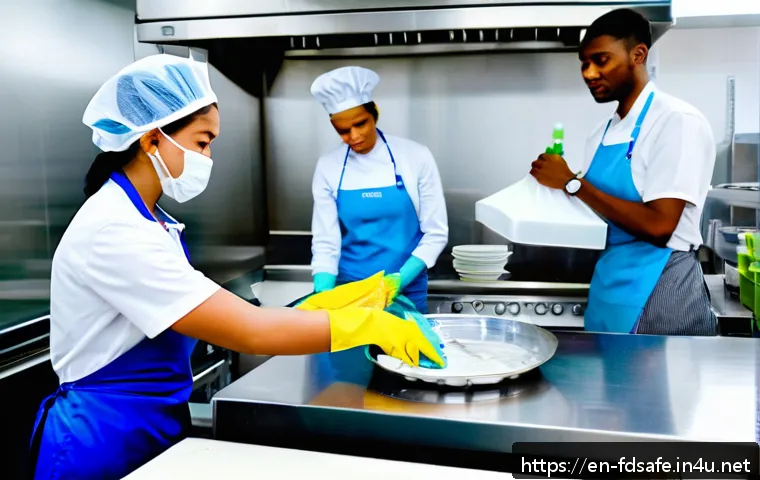
Cleaning removes visible dirt and food residues, while sanitizing reduces microbial populations to safe levels. Both steps are essential, and understanding their difference is crucial for the exam.
I often found that candidates who confused these terms struggled during practical demonstrations. Personally, I made it a point to show each step clearly, explaining why both are necessary to prevent foodborne illnesses.
Choosing and Using Cleaning Agents Correctly
Using the right cleaning chemicals for various surfaces is vital. For example, food-contact surfaces require food-safe sanitizers, while heavy-duty degreasers might be reserved for kitchen floors or ovens.
Overuse or incorrect dilution can lead to residue contamination or ineffective cleaning. During my exam, I was asked to prepare a cleaning solution and explain its proper use, which reinforced my understanding and gave me confidence.
Keeping a mental checklist of appropriate agents and their uses can help you avoid common pitfalls.
Implementing a Cleaning Schedule and Record Keeping
A systematic cleaning schedule ensures all areas are maintained regularly. Record-keeping provides evidence of compliance and helps identify areas needing extra attention.
From my experience managing kitchen hygiene, I know that well-documented procedures not only satisfy regulatory requirements but also build trust among staff and customers.
Demonstrating your knowledge of scheduling and documentation during the exam shows a professional approach to food hygiene management.
Understanding Pest Control and Waste Management
Identifying Common Food Pests and Risks
Examiners expect you to recognize pests such as rodents, flies, and cockroaches and understand how they contaminate food. Knowing signs of infestation and preventive measures like sealing entry points and maintaining cleanliness is essential.
I once worked in a restaurant that suffered a minor pest issue, and seeing firsthand how quickly it affected operations highlighted the importance of vigilance.
Sharing specific examples of pest control during your exam can highlight your practical awareness.
Proper Disposal of Food Waste and Byproducts
Food waste must be disposed of promptly and hygienically to prevent attracting pests and causing odors. Using covered bins, segregating waste types, and regular removal from food prep areas are key practices.
During my exam, I demonstrated how to manage waste flow effectively, which helped me score well in this section. This reflects a broader understanding of maintaining a clean, safe food environment.
Integrating Pest Control with Overall Hygiene Plans
Pest control is not isolated but integrated into the entire food safety system. Regular inspections, staff training, and cooperation with pest control professionals form a comprehensive approach.
I recommend candidates explain how they would implement such a program, showing proactive thinking. This strategy reassures examiners that you can maintain long-term food safety beyond just passing the test.
Mastering Temperature Monitoring and Hazard Analysis
Using Thermometers Accurately
Food temperature checks are a daily necessity. Knowing how to calibrate and use different thermometers, such as probe or infrared types, ensures accurate readings.
I practiced taking multiple temperature readings during my preparation, which boosted my confidence. Examiners often simulate scenarios requiring quick, precise measurements, so hands-on familiarity is a must.
Identifying Critical Control Points (CCPs)
Understanding where food safety hazards can be controlled or eliminated is central to Hazard Analysis and Critical Control Points (HACCP) principles. Whether it’s cooking, cooling, or storage, pinpointing these steps shows your grasp of risk management.
I found that explaining CCPs with real-life kitchen examples helped me communicate my knowledge clearly during the exam.
Recording and Responding to Temperature Deviations
Keeping detailed temperature logs and knowing how to react if temperatures fall outside safe ranges is vital. For example, discarding food that has been in the danger zone too long prevents outbreaks.
Sharing personal strategies or experiences about corrective actions demonstrated my responsibility and preparedness to the examiners.
Communicating Food Safety Effectively in the Workplace
Training and Supervising Team Members
Part of being a food hygiene professional is passing on your knowledge. Effective communication involves clear instructions, demonstrations, and ongoing training to ensure all team members follow safety protocols.
From my own experience managing teams, I learned that patience and practical examples make training more impactful. Discussing how you would lead or support training during the exam shows leadership potential.
Documenting Procedures and Compliance
Maintaining accurate records and standard operating procedures (SOPs) not only ensures consistency but also satisfies regulatory audits. I made sure to familiarize myself with common templates and documentation practices before my exam.
Presenting your documentation skills reflects a thorough and organized approach to food hygiene.
Handling Customer Inquiries and Safety Concerns
Being able to explain food safety measures clearly to customers or inspectors builds trust and credibility. I recall a situation where a customer questioned food handling practices, and my confident, informed response helped reassure them.
Demonstrating this communication skill during your exam can be a subtle but effective way to stand out.
| Category | Key Points | Practical Tips |
|---|---|---|
| Personal Hygiene | Proper handwashing, protective clothing, health status awareness | Practice thorough handwashing; change gloves often; cover wounds properly |
| Food Handling | Cross-contamination prevention, correct storage, safe cooking/thawing | Use separate utensils; monitor temperatures; label food clearly |
| Cleaning & Sanitizing | Difference between cleaning/sanitizing, chemical use, schedules | Follow step-by-step cleaning; use correct agents; keep cleaning logs |
| Pest & Waste Control | Pest identification, waste disposal, integrated hygiene plans | Seal entry points; use covered bins; coordinate with pest control pros |
| Temperature & Hazard Control | Thermometer use, critical control points, temperature logs | Calibrate thermometers; identify CCPs; act on deviations promptly |
| Communication | Training, documentation, customer interaction | Lead practical training; maintain SOPs; communicate clearly with all |
In Conclusion
Maintaining high standards of personal hygiene and food safety is essential for every food handler. By mastering proper techniques, understanding contamination risks, and communicating effectively, you can ensure a safe environment for both staff and customers. Practical experience combined with solid knowledge builds confidence and professionalism in this field.
Useful Information to Remember
1. Always wash your hands thoroughly for at least 20 seconds, focusing on all areas to prevent contamination.
2. Use protective clothing correctly, changing gloves frequently and covering wounds properly to avoid risks.
3. Prevent cross-contamination by organizing food storage and using separate utensils for raw and cooked items.
4. Keep cleaning and sanitizing distinct; use appropriate chemicals and maintain regular cleaning schedules.
5. Monitor temperatures carefully, record data accurately, and respond promptly to any deviations to ensure food safety.
Key Takeaways
Successful food hygiene depends on a comprehensive approach that combines personal care, safe food handling, and environmental cleanliness. Regular training, clear communication, and diligent record-keeping are vital to uphold standards and prevent health hazards. Remember, attention to detail and proactive practices can make all the difference in maintaining a safe and trustworthy food service operation.
Frequently Asked Questions (FAQ) 📖
Q: uestions about Passing the Practical Food Hygiene ExamQ1: What are the most important topics to focus on for the practical food hygiene exam?
A: From my experience, examiners prioritize understanding contamination risks, proper cleaning and sanitizing procedures, temperature control, and personal hygiene standards.
It’s essential to know how to identify hazards like cross-contamination and how to prevent them effectively. Also, being familiar with local food safety regulations and how to apply them in daily tasks will really set you apart.
I found that reviewing real-life scenarios and practicing correct responses helped me feel confident during the exam.
Q: How can I best prepare to handle the practical part of the food hygiene exam?
A: Hands-on practice is key. Try to get as much real or simulated experience as possible with food handling, cleaning routines, and equipment use. When I prepared, I practiced setting up safe food storage areas, monitoring temperatures, and demonstrating proper handwashing techniques.
Watching videos or attending workshops where you can see correct procedures in action also makes a huge difference. The more you practice, the less nervous you’ll be when it’s your turn.
Q: What common mistakes should I avoid during the exam to ensure I pass?
A: One mistake I noticed among candidates was rushing through tasks without double-checking cleanliness or temperature readings. Another was not explaining their actions clearly when asked.
Examiners want to see that you understand why each step is important, not just that you can perform it. So, take your time, stay calm, and be ready to explain your reasoning.
Avoiding shortcuts and showing attention to detail will definitely increase your chances of success.