Ever wondered how the meticulous world of pharmaceuticals might connect with the equally critical realm of food safety? It’s a fascinating crossover, one I’ve been digging into lately, and let me tell you, the parallels are far more striking and important than you might imagine.
We all rely on both safe food and effective medications, and the dedicated professionals who ensure their quality are, in many ways, battling similar unseen threats.
From the farm to your pharmacy shelf, the underlying principles of preventing contamination, maintaining rigorous quality control, and upholding impeccable hygiene are universal, even if the specific regulations differ.
As a food safety specialist, I’ve seen firsthand the intense scrutiny applied to everything from ingredient sourcing to packaging to protect consumers.
But what’s truly eye-opening is realizing how many of those same skills — that deep understanding of Good Manufacturing Practices (GMPs), the unwavering commitment to traceability, and the vigilance against unseen hazards — are absolutely essential in drug manufacturing too.
In our rapidly evolving world, where supply chains are global and new technologies are emerging daily, both industries are facing complex challenges that demand innovative solutions like advanced traceability and data-driven insights.
It’s truly a new era of collaboration and shared responsibility for public health. Let’s delve deeper into how these two critical fields are more connected than ever before.
Good Manufacturing Practices: A Common Thread Weaving Through Our Safest Products

The Universal Language of Quality and Control
When you think about the incredible efforts that go into making sure your food is safe, and your medications are effective, you might not immediately connect the dots. But after years immersed in the food safety world, I can tell you firsthand that the foundation for both industries often speaks the same universal language: Good Manufacturing Practices, or GMPs. Both sectors are absolutely obsessed with preventing contamination, ensuring product consistency, and protecting us, the consumers. It’s truly amazing to see how these core principles translate, whether we’re talking about a delicious packaged snack or a critical life-saving drug. While the specific regulatory agencies might differ—like the FDA having specialized divisions for human and animal food versus pharmaceutical quality—the overarching commitment to quality, controlled processes, and rigorous staff training remains paramount. Believe me, running a facility that consistently meets these standards is no small feat, requiring unwavering dedication from every single person on the team. It’s a culture of quality, not just a checklist of tasks.
Beyond the Basics: Tailored Scrutiny for Unique Risks
Now, while the spirit of GMP is shared, the application gets incredibly specific. Think about it: ensuring a yogurt is free from harmful bacteria involves different tests and environmental controls than ensuring a sterile injectable drug has the precise potency and zero particulate matter. The food industry zeroes in on hygiene, preventing cross-contamination between raw and cooked products, and diligently managing shelf life. On the pharma side, the focus shifts to ensuring a drug’s safety, efficacy, and accurate dosage. This means a much stricter environment, often with classified cleanrooms and HEPA filtration, and extensive validation of every single process and piece of equipment. My experience has shown me that applying pharma-level GMPs to food would be overkill and incredibly costly, just as applying basic food GMPs to pharma would be dangerously insufficient. It’s a delicate balance, and each industry has honed its practices to address its unique risks with incredible precision and a dedication that, honestly, leaves me in awe. It’s all about understanding what could go wrong and building systems to prevent it, rather than just reacting when it does.
Navigating the Global Maze: Supply Chain Integrity in a Connected World
From Farm to Pharmacy Shelf: A Journey of Trust
In today’s interconnected world, the journey of raw ingredients, whether they end up in your dinner or your daily medication, is truly global. This means the supply chain isn’t just a path; it’s a complex, interwoven network where vigilance is absolutely non-negotiable. I’ve witnessed how a single misstep can have a ripple effect, potentially compromising product safety across continents. Both the food and pharmaceutical industries face immense pressure to maintain impeccable traceability, tracking every component from its origin to the final consumer. The Food Safety Modernization Act (FSMA) in the U.S. has ramped up traceability requirements for food, mirroring the stringent track-and-trace mandates seen in the pharmaceutical sector, like the Drug Supply Chain Security Act (DSCSA). This isn’t just about compliance; it’s about building and maintaining consumer trust, ensuring that if an issue arises, we can quickly identify and isolate affected products. It’s a monumental task, but absolutely essential for public health, and honestly, it keeps you on your toes every single day.
The Digital Guardians: Tech-Driven Traceability and Transparency
Honestly, trying to manage today’s intricate supply chains without cutting-edge technology would be like trying to navigate the ocean with a paper map. It’s simply not feasible. That’s why I’m so excited about the advancements we’re seeing in both food and drug safety, driven by digital innovation. Technologies like blockchain are bringing unprecedented transparency, creating an immutable ledger of every transaction and movement of a product. Imagine being able to scan a QR code on your medication or a food item and instantly seeing its entire journey, from the farm or factory floor all the way to the store. Then there’s Artificial Intelligence (AI) and machine learning, which are becoming invaluable for analyzing vast datasets, predicting potential risks, and even spotting anomalies that human eyes might miss. IoT sensors, continuously monitoring parameters like temperature and humidity throughout transit, are also game-changers. I’ve seen firsthand how these tools aren’t just improving efficiency; they’re fundamentally enhancing our ability to ensure safety and respond rapidly to any potential threat, truly transforming how we protect public health.
| Aspect of Safety | Food Industry Focus | Pharmaceutical Industry Focus |
|---|---|---|
| Primary Goal | Prevent foodborne illness, ensure nutritional integrity & proper labeling. | Ensure drug safety, efficacy, potency & purity. |
| Key Regulatory Body (US) | FDA (Human and Animal Food Programs), USDA | FDA (Center for Drug Evaluation and Research – CDER) |
| Facility Environment | Zoning to prevent cross-contamination, temperature/humidity control. | Strict cleanroom classifications (ISO 5-8), HEPA filtration, controlled air pressure. |
| Quality Control Testing | Microbiological testing (e.g., *Salmonella*, *E. coli*), allergen checks, chemical residues. | Potency, purity, stability, sterility, bioequivalence. |
| Documentation Emphasis | Cleaning records, CCP monitoring, supplier approval, shelf-life studies. | Extensive process validation, batch manufacturing records, analytical methods validation. |
The Guardians of Quality: Quality Assurance and Control in Action
Proactive Prevention: The Unseen Work of Quality Assurance
Working in food safety, I’ve always emphasized that true safety starts long before a product is even made. This is where Quality Assurance (QA) truly shines. QA isn’t just about inspecting the final product; it’s a comprehensive, proactive system woven into every single step of the manufacturing process. It’s about designing systems and procedures to prevent defects and hazards from occurring in the first place. For example, in a food processing plant, QA would establish the protocols for everything from raw material sourcing to supplier approval, ensuring proper hygiene, and setting critical control points for processing. In the pharmaceutical world, QA oversees the entire product lifecycle, from development to distribution, ensuring that every batch meets rigorous specifications before it ever reaches a patient. I’ve spent countless hours developing and refining these systems, and I can tell you, the peace of mind knowing you’ve built quality in from the ground up is invaluable. It’s all about creating an environment where perfection is the goal, and preventing errors is paramount.
Reactive Vigilance: The Critical Eye of Quality Control
While QA sets the stage for flawless production, Quality Control (QC) acts as the critical eye, the vigilant inspector at various checkpoints throughout the process. QC is more reactive and product-focused, rigorously testing and inspecting products to detect any deviations or defects. In food, this could mean microbiological testing for pathogens like *Salmonella* in finished goods, checking packaging for errors, or verifying temperatures during cooking. In pharmaceuticals, QC labs perform highly specialized tests for potency, purity, and stability on every batch. I’ve been in those labs, seen the meticulous attention to detail, and frankly, it’s awe-inspiring. If something isn’t right, QC flags it, and the product doesn’t move forward. It’s a vital safety net, ensuring that despite all the proactive measures, nothing slips through the cracks. Both QA and QC are two sides of the same coin, absolutely essential for upholding the high standards we expect for our food and medicines.
The Human Element: Cultivating a Culture of Unwavering Safety
Beyond Regulations: Building a Mindset of Vigilance
You know, all the regulations, technologies, and fancy equipment in the world won’t guarantee safety if the people behind the processes aren’t fully invested. This is where the human element truly becomes the heartbeat of quality and safety. In my journey, I’ve seen that cultivating a strong culture of safety – where every employee, from the CEO to the newest hire, understands their critical role – is paramount. It’s more than just ticking boxes; it’s about instilling a mindset of vigilance, responsibility, and continuous improvement. Training is key, of course, but it goes deeper. It’s about empowering staff to speak up if they see something wrong, fostering a sense of shared ownership, and recognizing that everyone contributes to the overall safety of the product. Whether it’s a food technician meticulously checking temperatures or a pharmaceutical manufacturing operator following sterile procedures, their commitment is the ultimate safeguard.
Empowerment Through Education and Continuous Learning
In both the food and pharma industries, the landscape of threats and technologies is constantly evolving. That’s why ongoing education and professional development aren’t just good ideas; they’re absolute necessities. I’ve always pushed for comprehensive training programs that go beyond the bare minimum, helping teams understand the “why” behind every procedure, not just the “how.” This empowerment allows employees to make informed decisions and adapt to new challenges. For instance, understanding the latest in allergen control for food production or the newest sterility protocols in drug manufacturing is vital. Companies that invest heavily in their people, giving them the tools and knowledge to excel, are the ones that consistently deliver the safest and highest-quality products. It creates a dedicated workforce, a team that truly cares, and that, in my honest opinion, is the strongest defense against any safety breach.
Embracing Tomorrow: Technology as Our Ally in Safety
From Manual Checks to Smart Sensors: The IoT Revolution
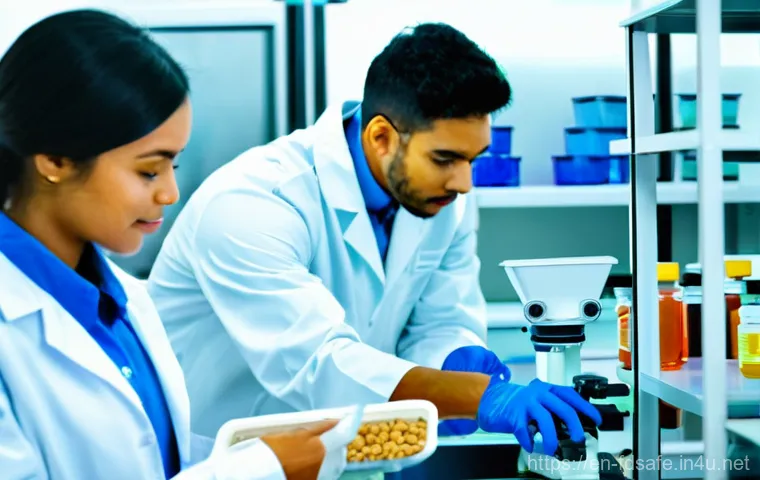
It’s truly incredible how much technology has transformed the safety landscape in just a few short years. I remember when so much of our monitoring was done manually, which, while diligent, was always susceptible to human error and time lags. Now, with the Internet of Things (IoT), we’re seeing a real revolution. Imagine sensors embedded throughout a food storage facility or a pharmaceutical cold chain, constantly monitoring temperature, humidity, and other critical environmental factors in real-time. This isn’t just about collecting data; it’s about getting immediate alerts if conditions deviate, allowing for rapid intervention before product integrity is compromised. For me, this real-time visibility is a game-changer, moving us from reactive problem-solving to proactive prevention. It provides an unprecedented level of control and transparency, which is exactly what we need in an increasingly complex global supply chain.
Predictive Power: AI and Machine Learning Unlocking New Insights
And then there’s Artificial Intelligence and machine learning – these aren’t just buzzwords; they’re powerful tools that are literally helping us predict the future, or at least, predict potential risks. I’ve seen how AI algorithms can analyze vast amounts of data from past outbreaks, production records, and supply chain logistics to identify patterns and flag potential issues before they escalate into full-blown crises. For instance, AI can help detect subtle deviations in product quality that might indicate microbial contamination in food, or predict adverse drug reactions by analyzing pharmacovigilance data. This means we’re no longer just reacting to problems; we’re anticipating them, allowing us to implement preventative measures and allocate resources more effectively. It’s a huge leap forward, and it honestly excites me to think about how much safer our food and medicine will become as these technologies continue to evolve.
Harmonizing Standards: Working Towards a Unified Vision of Safety
Crossing Borders: The Drive for International Regulatory Alignment
Given that raw materials, ingredients, and finished products often cross multiple international borders, the idea of having wildly different regulatory standards for food and pharmaceuticals across various countries can be a real headache. I’ve spent countless hours poring over international guidelines, and it’s clear that there’s a growing global push for harmonization. Organizations like the International Council for Harmonisation (ICH) and the Pharmaceutical Inspection Co-operation Scheme (PIC/S) are working tirelessly to align technical requirements and inspection procedures for pharmaceuticals worldwide. While the food industry still has its own set of diverse global regulations, there’s a strong learning opportunity here. Imagine if the core tenets of food safety regulations could achieve a similar level of international consistency. It would streamline operations, reduce compliance burdens, and most importantly, enhance global public health protection by creating a more predictable and robust safety net for consumers no matter where they are.
Shared Learnings: What Each Industry Can Teach the Other
One of the most fascinating aspects of digging into the parallels between food and pharma safety is realizing how much each industry can learn from the other. The pharmaceutical sector, with its decades of experience in managing incredibly complex cold chains and stringent quality control, offers valuable lessons for food producers, especially as the food industry embraces more specialized, temperature-sensitive products. Conversely, the sheer scale and rapid turnaround times often seen in food production can offer insights into efficient process optimization. I’ve seen food companies adopt advanced traceability systems that rival those in pharma, and pharma companies begin to think more about consumer-centric communication, much like the food industry does. This cross-pollination of best practices is invaluable. It’s not about one industry being “better” than the other, but about recognizing shared challenges and collaboratively building a stronger, safer future for everything we consume.
Wrapping Things Up
Whew! It’s been quite a journey diving deep into the intricate worlds of food and pharmaceutical safety. What started as a simple exploration quickly revealed a fascinating tapestry of shared principles, meticulous processes, and unwavering dedication. From the foundational Good Manufacturing Practices that underpin everything to the cutting-edge technologies like AI and blockchain now safeguarding our supply chains, it’s clear that both industries are relentlessly committed to protecting us. My biggest takeaway? It’s not just about regulations; it’s about a deeply ingrained culture of vigilance and continuous improvement, driven by countless individuals who care deeply about the products we consume every single day.
Handy Insights You’ll Want to Bookmark
1.
Always Check for Certifications and Seals
Whenever you’re buying food, supplements, or over-the-counter medications, take a moment to look for trusted certifications or regulatory seals. For food, this could be a USDA Organic seal or specific allergen-free certifications, which indicate that the product has undergone third-party scrutiny and meets defined standards. In the pharmaceutical realm, checking for FDA approval or similar regulatory body endorsements (like EMA in Europe) on drug packaging is absolutely critical. From my own experience, understanding what these labels signify gives you an immediate, albeit quick, assurance that the product has met some level of quality and safety review. It’s like having a little stamp of approval that makes your purchasing decisions just a tiny bit easier and much more informed, especially when you’re navigating a crowded store shelf. Plus, if you’re ever in doubt, a quick online search for the meaning of a specific certification can empower you even further, helping you differentiate between genuine quality and clever marketing. The more you know, the better choices you can make for your health and well-being, trust me on this one.
2.
The Power of Traceability: Don’t Underestimate It
We talked about traceability, and seriously, it’s a superpower both industries are honing. As a consumer, this means if there’s ever a recall for a product – whether it’s a batch of spinach or a specific medication – the ability to trace it back quickly is what keeps us safe. Think about it: when you see news of a recall, the speed at which affected products are pulled from shelves and consumers are informed is a direct result of robust traceability systems. I personally follow recall alerts from agencies like the FDA, and I’ve seen how quickly they can pinpoint affected batches and regions. Knowing that companies are investing in technologies like blockchain and advanced IoT sensors means that the food on your plate and the medicine in your cabinet are getting safer by the day. It’s not just a fancy corporate buzzword; it’s a fundamental shield against widespread contamination and helps ensure accountability throughout the entire journey of a product, from farm to your home.
3.
Your Role in the Supply Chain: Proper Storage Matters!
While companies do an incredible job ensuring safety up to the point of sale, our role as consumers in maintaining that safety at home is often overlooked. Proper storage is paramount! For food, this means adhering to “best by” or “use by” dates, understanding safe refrigeration temperatures, and preventing cross-contamination in your own kitchen (e.g., keeping raw meats separate from produce). For medications, storing them in a cool, dry place away from direct sunlight and humidity is crucial, unless specific refrigeration is indicated. I’ve personally learned the hard way that even the highest quality product can be compromised by improper handling once it leaves the store. Medications, especially, can lose potency or even become harmful if not stored correctly. So, take that extra minute to read storage instructions – it’s a small effort that goes a long way in ensuring the continued safety and efficacy of what you consume.
4.
Beyond the Label: Understanding Ingredient Sourcing
For those of us who are truly invested in what we put into our bodies, diving a little deeper than just the ingredient list can be incredibly enlightening. While labels provide essential information, knowing where those ingredients come from and how they are sourced offers another layer of confidence. Some companies are incredibly transparent about their supply chains, sharing details about their farms, ethical sourcing practices, or the origin of active pharmaceutical ingredients. This transparency often correlates with a higher commitment to quality and safety, as it shows a willingness to stand behind their entire process. I’ve found that companies that are open about their sourcing tend to have stronger GMPs in place throughout their extended supply network. It’s a bit of extra digging, but for certain products, especially those you consume regularly or that are critical for your health, it’s a worthwhile investment of your time to ensure peace of mind.
5.
Don’t Be Afraid to Ask Questions and Report Concerns
Here’s a crucial tip: never hesitate to be an active participant in product safety. If you ever have a concern about a food product – strange taste, packaging defect, or an unexpected reaction – or a medication that seems to be causing adverse effects or appears tampered with, report it! For food, you can often contact the manufacturer directly via their customer service line, or reach out to local health authorities. For medications, reporting adverse events to your doctor and to the FDA (through their MedWatch program) is vital. Your observations can literally be the first alert for a widespread issue, preventing others from experiencing the same problem. I’ve always believed that consumers are the final safety net, and our feedback is incredibly powerful. Your voice matters, and by speaking up, you contribute to a safer marketplace for everyone. It’s a shared responsibility, and every report helps strengthen the system.
Bringing It All Together
At the heart of both the food and pharmaceutical industries lies an unwavering commitment to public health and safety. We’ve seen how Good Manufacturing Practices (GMPs) serve as the bedrock, ensuring everything from ingredient quality to final product integrity. While the specific applications diverge due to the unique risks and requirements of each sector, the core principles of proactive prevention, meticulous quality control, and rigorous documentation remain universal. The global supply chain, a complex network vulnerable to disruption, is increasingly fortified by cutting-edge technologies like blockchain and AI, offering unprecedented transparency and traceability. Crucially, the human element—a dedicated workforce empowered through continuous training and a strong culture of vigilance—is truly the ultimate safeguard, ensuring that all the systems and technologies work seamlessly. Ultimately, by understanding these intertwined layers of protection, we as consumers can feel more confident about the products we trust to nourish and heal us every day. This shared journey toward quality and safety is an ongoing testament to human ingenuity and our collective desire for a healthier world.
Frequently Asked Questions (FAQ) 📖
Q: How can a background in food safety give someone a unique edge or perspective when looking at drug manufacturing?
A: Oh, this is a question I get a lot, and it’s something I’ve personally experienced! When I transitioned from deeply understanding the intricacies of food safety to exploring the pharmaceutical world, I found myself thinking, “Wow, this feels so familiar!” It’s like learning to ride a bike and then finding out you can apply those exact balance and steering skills to a scooter.
In food safety, we live and breathe Good Manufacturing Practices (GMPs) – rigorous standards for hygiene, contamination prevention, and quality control from the moment ingredients arrive to when the finished product is sealed.
We’re constantly chasing down potential hazards, whether they’re microscopic bacteria or allergens. And guess what? Drug manufacturing is built on the same foundational pillars!
My experience taught me how to spot a potential weak link in a supply chain, how to design robust sanitation protocols, and the absolute critical importance of meticulous documentation and traceability.
That ingrained vigilance, that deep understanding of ‘what could go wrong’ and how to prevent it, directly translates. It’s not just about the rules; it’s about the mindset of safeguarding public health, which is truly universal.
It gives you this incredible foresight, almost like a superpower, to anticipate issues before they even surface, all because you’ve seen those exact principles at play in a slightly different arena.
Q: What are the most significant shared challenges that both the food and pharmaceutical industries are grappling with in our modern world?
A: That’s a fantastic question, and one that keeps many professionals in both fields up at night! From my vantage point, the biggest hurdles often revolve around the incredibly complex, globalized supply chains we operate within now.
Think about it: an ingredient for your medication might come from one continent, be processed on another, and then packaged on a third. The same goes for our food!
This complexity makes traceability a massive challenge – knowing exactly where everything came from, where it’s been, and who handled it. It’s not just about having the information, but about having it instantly and reliably, which is why advanced data analytics and blockchain are becoming such hot topics.
Then there’s the relentless pressure to innovate while maintaining absolute safety. New technologies, new ingredients, new packaging materials – they all bring exciting possibilities but also potential new risks that need to be understood and meticulously mitigated, often before comprehensive regulations even catch up.
And, of course, the ever-present threat of counterfeiting or adulteration, which can compromise both food and drugs, putting lives at risk. It truly demands a proactive, data-driven approach, and a level of vigilance that is more crucial than ever before.
We’re all in this together, trying to stay a step ahead of the bad actors and emerging threats.
Q: As an everyday consumer, why should I even care about the connection between food and drug safety? It sounds like something only industry professionals need to worry about.
A: Oh, but it absolutely is something every single one of us should care about, and I’ll tell you why! At its heart, this connection is all about your personal safety and well-being.
Think of it this way: when you pick up a carton of milk or a prescription from the pharmacy, you inherently trust that it’s safe to consume or use. That trust isn’t magic; it’s built on these incredibly rigorous safety systems that, as we’ve discussed, share so many common threads.
If a food facility cuts corners on hygiene, you could get sick. If a pharmaceutical manufacturer isn’t meticulous with their quality control, your medication might not work as intended, or worse, could be harmful.
When these industries share knowledge and best practices, it strengthens the safety net for all products you rely on. It means the lessons learned in preventing contamination in food can directly inform how drugs are made safer, and vice-versa.
So, caring about this connection means caring about the fundamental safety of the food you eat and the medicine you take – it’s about protecting yourself and your loved ones in a world where these things are more intertwined than ever before.
It gives me peace of mind knowing the dedicated people behind the scenes are using every tool they have to keep us all safe, and that’s something worth paying attention to!