
Choosing the right textbook for the Registered Environmental Health Specialist exam can feel overwhelming, trust me, I’ve been there! It’s not just about memorizing facts; it’s about truly understanding food safety principles.
A good book can make or break your study journey, turning a daunting task into an achievable goal. Picking the right resources will significantly enhance your learning experience.
You want something up-to-date, easy to understand, and that covers all the necessary topics, right? Let’s dive into the best options available!
Decoding the REHS Exam: What to Look for in a Textbook
When I first started studying, I grabbed a textbook that looked thick and comprehensive, thinking more pages meant better preparation. Big mistake! It was dense, outdated, and honestly, put me to sleep. What you really need is a book that breaks down complex topics into digestible bites. Look for clear explanations, real-world examples, and up-to-date regulations. Bonus points if it has practice questions that mimic the actual exam.
1. Up-to-date Information: A Non-Negotiable
Environmental health regulations change faster than the seasons. Make sure your textbook reflects the most current guidelines from organizations like the FDA, EPA, and CDC. An outdated book could lead you down the wrong path and cost you valuable points on the exam. I remember relying on a book that referenced old HACCP guidelines – talk about a wake-up call when I took a practice test!
2. Practical Applications and Case Studies
Theory is great, but the REHS exam tests your ability to apply that knowledge in real-world scenarios. A good textbook will include case studies, examples, and problem-solving exercises that challenge you to think critically. Look for scenarios involving foodborne illness outbreaks, water contamination issues, or waste management challenges. These will help you connect the dots and truly understand the material. The book that I used had detailed case studies that prepared me for the real-world scenarios that appeared on the exam. For example, it provided scenarios on how to handle outbreaks and properly access potential health risks.
Beyond the Basics: Essential Topics Your Textbook Should Cover
Don’t assume every textbook covers all the necessary material. I once skimmed through a friend’s book and realized it completely glossed over vector control, a pretty important topic! Make sure your chosen resource delves into key areas like food safety, water quality, waste management, air pollution, and occupational health. A comprehensive book will give you a well-rounded understanding of environmental health principles.
1. Food Safety: From Farm to Fork
This is a HUGE part of the REHS exam, so your textbook needs to cover it extensively. Look for detailed information on topics like HACCP, foodborne illnesses, proper food handling techniques, and inspection procedures. Make sure it also addresses emerging food safety concerns like genetically modified organisms (GMOs) and food allergies. I know I spent a lot of time studying the different types of pathogens and how they spread. When studying for the exam, it is easy to become overwhelmed by the amount of information there is to learn. The best way to combat this is to create a study schedule that allows for adequate review time and practice tests.
2. Water Quality: Protecting Our Precious Resource
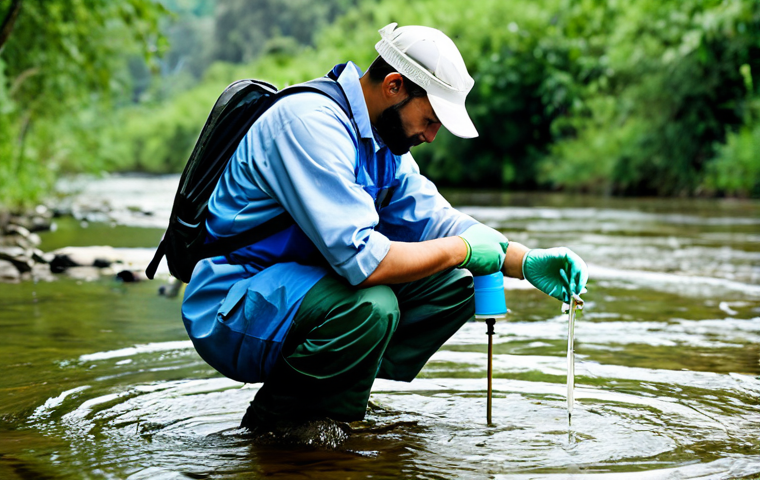
Water quality is another critical area, so your textbook should cover topics like drinking water treatment, wastewater management, surface water and groundwater protection, and regulations like the Safe Drinking Water Act. Pay attention to information on common contaminants, testing methods, and remediation techniques. The best thing I did was take practice tests to help me hone in on what concepts I was struggling with and where I needed to focus my studying.
3. Waste Management: Reducing, Reusing, Recycling
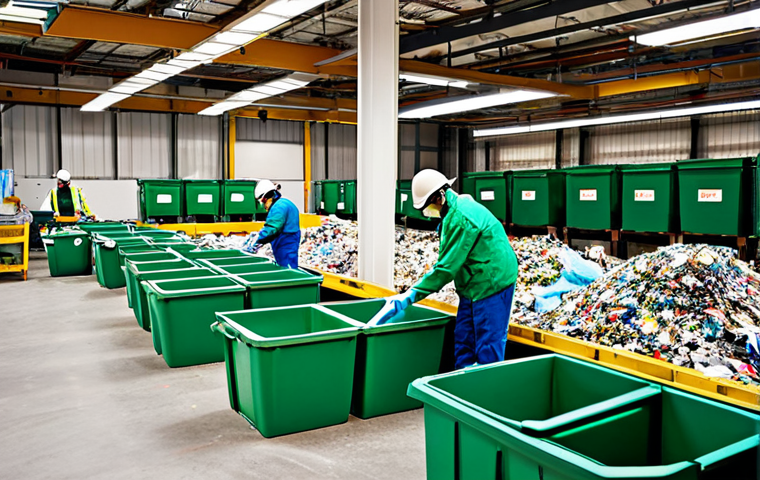
Solid and hazardous waste management is also a must-know for the exam. Look for information on landfills, incineration, recycling programs, composting, and regulations like the Resource Conservation and Recovery Act (RCRA). Pay attention to the proper handling, storage, and disposal of hazardous materials. It’s one thing to know the regulations, it’s another to understand how to enforce them in the field.
Navigating Online Resources and Study Guides
Textbooks are great, but don’t underestimate the power of online resources and study guides. Many organizations offer free or low-cost materials that can supplement your textbook and provide additional practice. Just be sure to vet your sources carefully and stick to reputable organizations like the National Environmental Health Association (NEHA) or your state’s health department.
1. Practice Exams: Your Secret Weapon
Practice exams are an absolute MUST for REHS exam preparation. They help you identify your weak areas, get familiar with the exam format, and build your confidence. Look for practice exams that mimic the actual exam in terms of content, difficulty level, and time constraints. The more practice you get, the better prepared you’ll be on exam day. The first time I took a practice test, I was shocked at how much I didn’t know! But it motivated me to study harder and focus on my weak areas.
2. Flashcards and Mnemonics: Memory Aids
Environmental health involves a lot of terminology and regulations. Flashcards and mnemonics can be helpful tools for memorizing key facts and concepts. Create flashcards for definitions, formulas, and regulations. Use mnemonics to remember lists or sequences of information. For example, I used the mnemonic “Every Good Boy Does Fine” to remember the order of the planets (Mercury, Venus, Earth, Mars, Jupiter, Saturn, Uranus, Neptune). The study guides that I used had a ton of information. I found the best way to retain that knowledge was to create flashcards.
Understanding Regulations and Legal Frameworks
The REHS exam heavily tests your knowledge of environmental health regulations at the local, state, and federal levels. Your textbook should provide a comprehensive overview of key laws and regulations related to food safety, water quality, waste management, air pollution, and other environmental health issues. Understanding the legal framework is crucial for effective enforcement and compliance.
1. Federal Regulations: The Foundation
Your textbook should cover key federal regulations like the Clean Water Act, Clean Air Act, Safe Drinking Water Act, Resource Conservation and Recovery Act (RCRA), and Food Safety Modernization Act (FSMA). Understand the purpose of each law, its key provisions, and how it’s enforced. The FSMA was a game-changer for food safety, so be sure to understand its major components. This is important because it shows your understanding of how the government protects the environment. I was able to understand how each agency was interlocked with each other.
2. State and Local Regulations: Tailored to Your Area
In addition to federal regulations, your textbook should also address state and local environmental health regulations. These regulations may vary depending on your location, so it’s important to familiarize yourself with the specific laws and ordinances in your area. Contact your state or local health department for more information on relevant regulations. When I took the exam, there were several questions about state-specific regulations. I was glad I had taken the time to study them!
3. Enforcement and Compliance: Putting Knowledge into Action
Knowing the regulations is one thing, but understanding how they’re enforced is another. Your textbook should cover topics like inspections, permitting, licensing, and enforcement actions. Understand the role of environmental health specialists in ensuring compliance with regulations and protecting public health. I would often shadow experienced inspectors to learn how they conducted inspections and enforced regulations. This hands-on experience was invaluable.
Maximizing Your Study Time: Strategies for Success
Let’s face it, studying for the REHS exam can be a grind. But with the right strategies, you can make the most of your time and increase your chances of success. I remember feeling overwhelmed at times, but breaking down the material into smaller chunks and setting realistic goals helped me stay on track.
1. Create a Study Schedule: Plan of Attack
A well-structured study schedule is essential for success. Set aside dedicated time each day or week to study, and stick to your schedule as much as possible. Break down the material into smaller, manageable chunks, and prioritize topics based on their importance and your level of familiarity. Don’t forget to schedule breaks and rewards to avoid burnout. I used a planner to map out my study schedule and track my progress. It helped me stay organized and motivated.
2. Find a Study Partner: Strength in Numbers
Studying with a partner can be a great way to stay motivated, share ideas, and test your knowledge. Find someone who is also preparing for the REHS exam and set up regular study sessions. You can quiz each other, discuss challenging topics, and provide support and encouragement. I studied with a friend who was also an environmental health specialist. We would meet up at the library and quiz each other on different topics. It was a lot more fun than studying alone!
3. Utilize Visual Aids: Pictures are Worth a Thousand Words
Visual aids like diagrams, charts, and videos can be helpful for understanding complex concepts and processes. Look for textbooks or online resources that include visual aids to supplement the text. You can also create your own visual aids to help you remember key information. I found a great video on YouTube that explained the wastewater treatment process. It really helped me understand the different stages and how they worked.
The Day of the Exam: Tips for Success
All that studying comes down to one day. I remember feeling a mix of excitement and nerves on exam day. But I was prepared, confident, and ready to tackle whatever the exam threw at me. Remember, the best thing to do is to not procrastinate. Make sure to set aside adequate study time, and start studying with enough time to learn all of the information.
1. Get Plenty of Rest: A Well-Rested Mind is a Sharp Mind
Don’t cram all night before the exam. Get a good night’s sleep so you’re rested and alert on exam day. A tired mind is more likely to make mistakes and forget important information. I made sure to get at least eight hours of sleep the night before the exam. I also avoided caffeine and alcohol, which can interfere with sleep.
2. Read Questions Carefully: Attention to Detail
Take your time to read each question carefully and make sure you understand what it’s asking. Pay attention to keywords and phrases that can help you identify the correct answer. Don’t rush through the questions or make assumptions. I remember one question that seemed easy at first, but when I read it more closely, I realized there was a subtle trick to it.
3. Manage Your Time Wisely: Don’t Get Bogged Down
The REHS exam is timed, so it’s important to manage your time effectively. Don’t spend too much time on any one question. If you’re stuck, move on and come back to it later. Keep an eye on the clock and make sure you have enough time to answer all the questions. I used a timer to practice taking the exam under timed conditions. It helped me get a feel for how long I had to spend on each question.
| Category | Key Topics | Relevant Regulations | Example Questions |
|---|---|---|---|
| Food Safety | HACCP, foodborne illnesses, proper food handling | FSMA, FDA Model Food Code | What are the critical control points in a hamburger production? |
| Water Quality | Drinking water treatment, wastewater management | Safe Drinking Water Act, Clean Water Act | How is chlorine used in water purification? |
| Waste Management | Landfills, recycling, hazardous waste | RCRA | What are the requirements for a hazardous waste generator? |
| Air Quality | Air pollutants, emission controls | Clean Air Act | What are the health effects of ozone pollution? |
Wrapping Up
Taking the REHS exam is no walk in the park, but with the right textbook and study strategies, you’ll be well on your way to success. Remember to focus on understanding the core concepts, applying your knowledge to real-world scenarios, and staying up-to-date on the latest regulations. Good luck, and happy studying!
Useful Information to Know
1. National Environmental Health Association (NEHA): A great resource for study materials and practice exams.
2. State and Local Health Departments: Check your local health department’s website for information on regulations specific to your area.
3. EPA, FDA, CDC Websites: These websites offer a wealth of information on environmental health topics and regulations.
4. REHS Exam Prep Courses: Consider enrolling in a prep course to get structured guidance and support.
5. Online Forums and Study Groups: Connect with other REHS exam candidates online to share tips and ask questions.
Key Takeaways
Choosing the right textbook, focusing on key topics like food safety and water quality, understanding regulations at all levels, utilizing practice exams, and managing your time effectively are crucial for success on the REHS exam. Remember, preparation is key!
Frequently Asked Questions (FAQ) 📖
Q: So, I’m totally swamped and just don’t have time to read a huge, boring textbook.
A: re there any good resources that are a bit more…digestible? A1: Totally get it! Huge, dry textbooks can be a total snooze-fest.
I found that “Food Safety for Professionals” by the National Restaurant Association was surprisingly helpful. It’s written in a way that’s easy to understand, and it focuses on practical, real-world scenarios you’ll actually encounter.
Plus, it’s not as dense as some of the more academic textbooks. Seriously, it feels more like a really well-organized study guide than a textbook. Also, don’t underestimate online resources like the FDA and CDC websites.
They have a ton of free information and updates, often presented in a more user-friendly format. I printed out key sections from those sites and highlighted them – saved my sanity!
Q: I’m on a really tight budget.
A: re there any affordable options for REHS exam prep books? A2: Budget is always a concern, isn’t it? I wouldn’t recommend skipping on study materials altogether, but you can definitely save some dough.
Check out used bookstores or online marketplaces like Amazon or eBay for used editions of standard textbooks. Often, the core principles don’t change drastically year to year, so a slightly older edition can still be super helpful.
Also, see if your local library has any relevant textbooks you can borrow. Another tip: some professional organizations offer discounted study materials to members.
It’s worth checking out! Lastly, don’t dismiss free online resources! The Conference for Food Protection (CFP) has a TON of guidance documents and model codes available for free.
Q: I’m struggling to keep up with all the updates and changes in food safety regulations.
A: re there any books that are known for being super up-to-date? A3: Oh man, that’s a valid point, especially with how quickly things can change in the food industry!
Look for books that are explicitly updated annually or biannually. One I found helpful was the “2022 FDA Food Code,” (though keep an eye out for the latest version).
It’s literally the law of the land when it comes to food safety. More than a book, this is a reference manual. Also, sign up for email alerts from regulatory agencies like the FDA and USDA.
They’ll send you notifications about new regulations and guidelines, which you can then research and integrate into your understanding. Trust me, staying current is half the battle!
📚 References
Wikipedia Encyclopedia
구글 검색 결과
구글 검색 결과
구글 검색 결과
구글 검색 결과
구글 검색 결과