Beyond Clean The Surprising Science Behind Optimal Food Hygiene Practices

webmaster

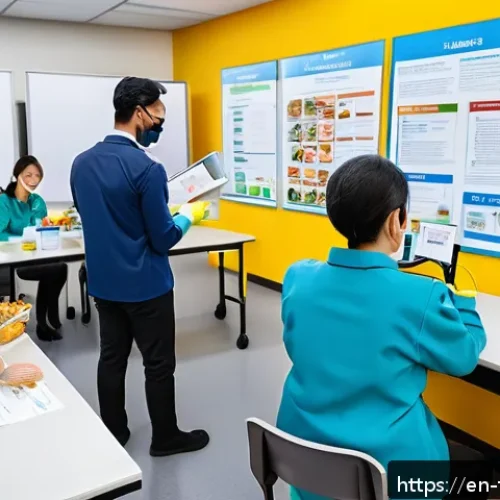
식품위생사와 관련된 학술 연구 - **Prompt:** A diverse team of scientists, male and female, of varying ethnicities, meticulously work...

Have you ever considered the invisible shield protecting your dinner plate, ensuring every bite is safe and sound? It’s a fascinating, complex world far beyond just basic cleanliness, and at its heart are dedicated food hygiene specialists.

These incredible professionals are constantly on the front lines, adapting to new threats and embracing cutting-edge solutions to keep our food supply secure.

What truly excites me, and what I’ve observed firsthand in this ever-evolving industry, is the pivotal role of academic research. It’s not just theoretical; it’s the engine driving innovation, from identifying emerging foodborne pathogens that cross global borders to pioneering advanced detection methods using AI and IoT.

This isn’t just about reacting to problems, it’s about proactively shaping a safer future, addressing challenges like climate change’s impact on food safety and the complexities of sustainable food systems.

The academic world is buzzing with discoveries that directly translate into stronger safeguards for you and me every single day. Let’s unpack the critical academic insights influencing food safety today.

Decoding the Microscopic Mysteries: Unmasking Foodborne Pathogens

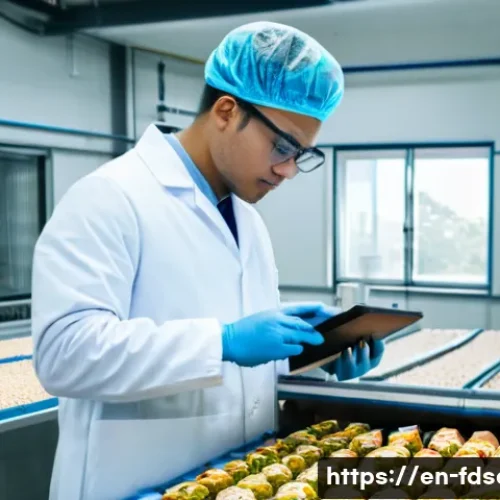
식품위생사와 관련된 학술 연구 - **Prompt:** A diverse team of scientists, male and female, of varying ethnicities, meticulously work...

Okay, let’s get real. You know how sometimes you hear about those dreaded foodborne illness outbreaks? Well, behind the headlines, there’s a whole army of brilliant minds tirelessly working to understand the invisible enemies lurking in our food. What I’ve seen, time and time again, is that academic research is the absolute cornerstone here. It’s not just about cleaning counters; it’s about deep scientific dives into new strains of bacteria, viruses, and parasites that are constantly evolving. Researchers are developing super-smart ways to track these pathogens, not just in a lab, but tracing them back through entire supply chains, often across continents. They’re looking at everything from antibiotic resistance in common bugs like Salmonella to exotic new threats emerging from changing global diets and travel patterns. Honestly, it’s mind-boggling how sophisticated these investigations have become, leveraging genomic sequencing and bioinformatics to pinpoint the exact source of an outbreak, sometimes even before it becomes a widespread public health crisis. This proactive approach, fueled by academic insights, truly sets the foundation for everything else we do in food safety. It’s about staying one step ahead, which, believe me, is a monumental task.

The Evolving Landscape of Foodborne Threats

From what I’ve gathered and personally experienced, the sheer diversity of foodborne threats is truly astounding. It’s not just the usual suspects like E. coli or Listeria anymore, though they certainly keep us on our toes. We’re seeing new challenges emerge, such as drug-resistant bacteria that make treatment incredibly difficult, or novel viruses that can survive harsh environmental conditions. Academic institutions are vital in identifying these new players on the food safety scene. They’re constantly sampling, testing, and analyzing, effectively acting as our early warning system. Without this foundational work, we’d be reacting to outbreaks instead of anticipating them, which, in a world where food travels globally at lightning speed, could have devastating consequences. My heart really goes out to the researchers who dedicate their lives to this, because their discoveries directly impact the health of millions.

Next-Gen Detection: From Lab Coats to Smart Devices

The pace of innovation in detecting these microscopic bad guys is exhilarating! Gone are the days when we relied solely on slow, labor-intensive lab cultures. Academic research has propelled us into an era of rapid detection methods. Think about it: biosensors that can detect contaminants in minutes, advanced molecular techniques that identify pathogens by their DNA, and even portable devices that food inspectors can use on-site. I’ve personally witnessed how these advancements are revolutionizing the speed and accuracy of food safety checks. It means that if something is amiss, we can find out faster, contain it quicker, and prevent many more people from getting sick. This shift from reactive to proactive detection is a game-changer, giving us a far greater chance of keeping our food supply safe and sound. It’s truly incredible to see science directly translate into tangible safety improvements.

Tech Takes Over the Kitchen: Smart Solutions for Safer Food

If you’d told me ten years ago that AI and IoT would be safeguarding my lunch, I might have chuckled. But seriously, the integration of cutting-edge technology into food hygiene practices is no longer a futuristic dream; it’s our present reality. I’m utterly fascinated by how researchers are pushing the boundaries, using artificial intelligence to predict contamination risks based on vast datasets – everything from weather patterns to historical recall data. It’s like having a super-smart detective constantly analyzing every piece of information to find potential weak spots. And then there’s the Internet of Things (IoT), which connects everything from temperature sensors in warehouses to smart packaging that monitors freshness. Imagine a world where your refrigerator could tell you if the milk is truly safe, or if a shipment of produce experienced a temperature excursion during transit. These aren’t just gadgets; they’re vital tools emerging from academic labs, designed to create a transparent, traceable, and ultimately safer food chain. It’s a bit like having an invisible guardian for our grub, and frankly, I find that incredibly comforting.

AI’s Predictive Power in Preventing Contamination

My own experiences in this field have shown me that prevention is always better than cure, and AI is becoming our secret weapon in that fight. Academic research into AI for food safety is focused on building models that can anticipate problems before they even manifest. By crunching massive amounts of data – including environmental conditions, supplier performance, and even consumer complaint patterns – AI algorithms can identify high-risk areas or products. I’ve read about systems that can flag potential issues in a processing plant long before a human inspector might even notice a subtle shift. This isn’t just about making things more efficient; it’s about creating a truly predictive food safety system that can save lives and prevent massive economic losses from recalls. It’s truly empowering to see how machine learning can enhance human oversight, helping food businesses make smarter, safer decisions every single day.

IoT and Blockchain: The Ultimate Traceability Toolkit

When we talk about transparency in the food supply chain, IoT and blockchain are the dynamic duo. Academic innovators are exploring how IoT sensors, embedded at every stage from farm to table, can provide real-time data on conditions like temperature, humidity, and even spoilage indicators. This data, when recorded on an immutable blockchain ledger, creates an unalterable history for every food product. From my perspective, this is absolutely revolutionary. If there’s ever an issue, you can trace that specific product back to its origin in seconds, identifying exactly where and when something went wrong. This level of traceability not only builds immense consumer trust but also drastically reduces the time and cost associated with investigations and recalls. It’s a complex system, no doubt, but the academic groundwork being laid today means we’re moving towards a future where knowing exactly where your food comes from, and its journey to you, is completely transparent and reliable.

Advertisement

Climate Change & Your Plate: Adapting to New Food Safety Challenges

It’s easy to think of climate change as something that impacts polar bears and distant lands, but trust me, it’s also having a very real, very direct impact on what ends up on our dinner plates. This isn’t some abstract concept; it’s a tangible shift that academic researchers are grappling with every single day. We’re seeing more extreme weather events – floods, droughts, heatwaves – that directly affect agricultural practices, crop yields, and even the proliferation of certain pests and pathogens. I’ve been following studies that show how warmer temperatures can increase the growth rate of bacteria in stored foods or how altered rainfall patterns can lead to higher levels of mycotoxins in grains. It’s a complex web, and food safety specialists are increasingly having to adapt to these new, often unpredictable, risks. The research being done right now is critical for developing resilient food systems that can withstand these environmental pressures, ensuring that our food remains safe even as our planet changes. It truly highlights the interconnectedness of our environment and our daily meals, and it’s something I personally feel very passionate about addressing.

Environmental Shifts and Pathogen Proliferation

The relationship between a changing climate and the spread of foodborne pathogens is something that keeps many food safety professionals, myself included, up at night. Academic studies are providing alarming insights into how shifts in temperature, humidity, and even ocean acidity can create ideal breeding grounds for certain bacteria and viruses. For instance, warmer waters can lead to increased concentrations of Vibrio bacteria in shellfish, posing a greater risk to consumers. Similarly, altered ecosystems can lead to new reservoirs for pathogens in wildlife, which can then cross over into our food supply. It’s a dynamic and unsettling area of research, but one that is absolutely essential for understanding and mitigating future risks. This means that food hygiene specialists aren’t just looking at what’s happening in the kitchen; we’re also keeping a keen eye on the wider environment, informed by the invaluable work of climate scientists and microbiologists.

Building Resilient Food Systems for a Changing World

Faced with these environmental realities, a huge part of current academic focus is on building food systems that are, for lack of a better word, “climate-proof.” This involves researching new farming techniques that are less reliant on specific weather patterns, developing crop varieties that are more resistant to pests and diseases, and exploring innovative ways to store and transport food safely under varying conditions. I personally believe that this area of research is paramount. It’s about designing a future where our food security isn’t constantly threatened by the next extreme weather event. This means investing in sustainable aquaculture, vertical farming, and advanced preservation technologies – all areas where academic expertise is forging the path forward. It’s a massive undertaking, but the dedicated efforts of researchers give me hope that we can create a robust and safe food supply for generations to come, regardless of what Mother Nature throws our way.

Beyond the Plate: The Human Element in Food Safety Culture

You know, for all the talk about technology and scientific breakthroughs, sometimes the most critical component in food safety is right in front of us: people! It’s something I’ve seen firsthand throughout my journey – no amount of fancy equipment can truly compensate for a lack of awareness or poor practices by individuals. That’s why academic research into “food safety culture” is so incredibly vital. It delves into the psychology of how people perceive and prioritize food hygiene, from the factory floor worker to the home cook. What motivates them? What barriers do they face? How can we create environments where safe food handling isn’t just a rule, but an ingrained habit and a shared value? It’s about understanding human behavior and designing training programs and workplace cultures that genuinely empower everyone to be a guardian of food safety. I often think that the biggest ‘aha!’ moments in food safety aren’t always about a new gadget, but about finding a way to truly connect with people and foster that sense of collective responsibility. It’s a challenging but incredibly rewarding aspect of ensuring our food is safe.

Fostering a Culture of Vigilance and Responsibility

From my experience, a strong food safety culture isn’t something you can simply mandate; it has to be cultivated. Academic studies often explore the most effective ways to embed food safety principles into the DNA of an organization. This includes everything from leadership commitment to empowering employees to speak up about potential risks without fear of reprisal. I’ve always felt that when people genuinely understand the ‘why’ behind the ‘what’ – why washing hands for 20 seconds is crucial, or why temperature control matters so much – they become far more engaged and effective. It’s about moving beyond rote memorization of rules and instilling a true sense of personal responsibility. The research in this area is constantly evolving, exploring how different communication strategies, training methods, and incentive programs can lead to more vigilant and responsible food handling practices across the board. It truly makes a tangible difference in preventing outbreaks.

Empowering Consumers: Education as a First Line of Defense

And it’s not just about professionals! As consumers, we play a massive role too, and academic insights into consumer behavior are key. How do people interpret food labels? What influences their choices at the grocery store? Are they aware of the risks of cross-contamination in their own kitchens? I’ve found that effective consumer education, based on sound research, is incredibly powerful. It’s about giving people the knowledge and tools to protect themselves and their families. Think about simple tips like knowing safe cooking temperatures or understanding proper storage – these are often overlooked but are fundamentally important. Researchers are helping us understand the best ways to communicate this vital information, whether it’s through public health campaigns or accessible online resources. Because at the end of the day, food safety is a team sport, and an informed consumer is a crucial player on that team. It’s a continuous learning process for all of us.

Advertisement

From Farm to Fork: Ensuring Integrity in Sustainable Food Systems

식품위생사와 관련된 학술 연구 - **Prompt:** A dynamic, high-tech food processing and distribution facility, showcasing seamless inte...

When we talk about food safety, it’s not just about what happens in the factory or your kitchen; it begins much, much earlier – right on the farm, in fact. With the growing demand for sustainable, organic, and locally sourced food, new food safety challenges have emerged, and academic researchers are diving deep into them. It’s a balancing act: how do we support environmentally friendly practices while still guaranteeing the highest levels of safety? For example, organic farming often relies on natural fertilizers, which can introduce different microbial risks if not managed meticulously. Or consider the complexities of a short supply chain for local produce; while it reduces transportation, it might also mean less rigorous standardized processing compared to larger operations. What I’ve personally observed is a critical need for new research that bridges the gap between sustainability goals and robust food safety protocols. It’s not about choosing one over the other, but about intelligently integrating both to build a food system that is truly healthy for us and the planet. This requires innovative thinking and a deep understanding of ecological and agricultural science, all driven by academic inquiry.

Navigating Safety in Organic and Local Sourcing

The allure of fresh, local, and organic produce is undeniable, and I, like many others, actively seek it out. However, academic studies are continuously exploring the unique food safety considerations that come with these sustainable practices. For instance, the use of manure as a fertilizer in organic farming requires stringent controls to prevent contamination with pathogens like E. coli. Similarly, the decentralized nature of local food systems, with many smaller producers, means that standardized training and oversight mechanisms need to be carefully developed. It’s not that these foods are inherently less safe, but rather that different approaches to risk management are required. Researchers are pioneering best practices for small farms, developing rapid testing kits for farmers, and exploring innovative post-harvest handling techniques specifically for locally distributed goods. My sincere appreciation goes to these researchers who help us enjoy the benefits of sustainable eating without compromising on safety. It’s all about intelligent adaptation.

Traceability and Transparency in Green Supply Chains

For sustainable food systems to truly thrive, consumers need to trust that their food is not only good for the planet but also safe to eat. And that’s where traceability and transparency, backed by academic research, become paramount. How do we track products effectively from a small, diversified farm to a farmers’ market or a local restaurant? This is often more complex than tracking highly centralized conventional produce. Researchers are investigating the application of technologies like QR codes, specialized blockchain applications, and even genetic markers to ensure that sustainable products can be traced back to their origin with certainty. This level of transparency not only verifies the sustainability claims but also provides a vital safety net. From my perspective, knowing the full journey of your food, particularly when it comes to sustainable choices, is incredibly empowering. It allows us to make informed decisions and instills confidence that the food on our plates meets the highest standards of integrity, both environmental and hygienic.

Aspect of Food Safety Traditional Approach Modern Academic-Driven Approach
Pathogen Detection Culture-based methods (slow, labor-intensive) Rapid PCR, genomic sequencing, biosensors (fast, accurate)
Temperature Monitoring Manual checks, data loggers IoT sensors with real-time alerts, cloud data integration
Traceability Paper records, batch numbers Blockchain, RFID, QR codes (farm-to-fork visibility)
Risk Assessment Historical data, expert judgment AI-powered predictive analytics, machine learning models
Consumer Engagement General public health advisories Behavioral science insights, targeted digital education

The Global Grocery Cart: Navigating International Food Safety Standards

Have you ever paused to think about how that exotic fruit from halfway around the world or that specialty cheese from Europe makes its way safely to your local grocery store? It’s a logistical marvel, but more importantly, a testament to intricate international food safety regulations. From where I stand, academic research plays an absolutely crucial role in understanding, harmonizing, and enforcing these global standards. When food crosses borders, it encounters a myriad of different laws, cultural practices, and environmental conditions. Researchers are constantly analyzing the efficacy of various international agreements, identifying gaps, and proposing science-backed solutions to ensure that what’s safe in one country remains safe everywhere else. This isn’t just about trade; it’s about public health on a global scale. I personally find it fascinating how a tiny microorganism in one part of the world can impact dinner tables thousands of miles away, underscoring the vital importance of robust international collaboration and shared scientific understanding. It truly feels like a collective effort to keep everyone safe.

Harmonizing Standards Across Borders

One of the biggest headaches in international food trade is the sheer diversity of food safety standards from one country to the next. What’s perfectly acceptable in one region might be strictly prohibited in another. Academic institutions are at the forefront of researching ways to harmonize these standards, seeking common ground based on scientific evidence rather than nationalistic preferences. This involves studying different risk assessment methodologies, comparing regulatory frameworks, and developing internationally recognized best practices. From my perspective, this harmonization is not just about making trade easier; it’s about raising the bar for food safety everywhere, ensuring that consumers globally can trust the food they purchase, regardless of its origin. It’s a monumental task requiring diplomacy and scientific rigor, and I deeply appreciate the tireless efforts of researchers in this complex arena.

Addressing Emerging Threats in a Connected World

Our increasingly interconnected world means that food safety threats don’t respect national boundaries. A contaminated product in one country can quickly lead to an outbreak in another, thanks to global supply chains. Academic research is absolutely critical for understanding and responding to these cross-border challenges. This includes developing shared surveillance systems, standardizing rapid response protocols, and researching how geopolitical factors or new trade routes might introduce novel risks. I’ve personally seen the importance of this work when following reports of global recalls. The speed at which information and scientific understanding can be shared between nations, often facilitated by academic networks, is paramount. It’s about creating a unified front against foodborne illnesses, ensuring that our collective knowledge and resources are leveraged effectively to protect consumers across the planet. It’s a powerful reminder that in food safety, we truly are all in this together.

Advertisement

Future-Proofing Our Food: Proactive Strategies and Emerging Trends

Looking ahead, the future of food safety is incredibly exciting, largely thanks to the relentless innovation stemming from academic research. We’re moving beyond simply reacting to problems and are actively developing proactive strategies to future-proof our food supply. I’m particularly captivated by the work being done in areas like predictive analytics, where scientists are using complex algorithms to forecast potential contamination events before they even occur. Imagine being able to anticipate a rise in a certain pathogen based on environmental data, agricultural practices, and even consumer purchasing trends! And it’s not just about prediction; it’s also about prevention through novel processing techniques. Researchers are exploring everything from advanced non-thermal pasteurization methods that preserve nutrients better, to packaging innovations that actively inhibit microbial growth. It’s truly a testament to human ingenuity, pushing the boundaries of what’s possible to ensure that our food remains safe, sustainable, and delicious for generations to come. I feel incredibly optimistic when I see the dedication and brilliance poured into these cutting-edge solutions.

Predictive Analytics: Anticipating Tomorrow’s Threats

One of the most thrilling developments, from my vantage point, is the rise of predictive analytics in food safety. Academic research is empowering us to shift from a reactive stance to a truly proactive one. By analyzing vast datasets – historical outbreaks, weather patterns, supply chain vulnerabilities, and even social media sentiment – algorithms can identify patterns and anticipate where and when the next food safety challenge might emerge. I’ve read about incredible studies that use this approach to predict the likelihood of certain pathogens in specific regions or crops, allowing authorities and producers to implement targeted interventions *before* an issue escalates. This capability is nothing short of revolutionary, effectively giving us a crystal ball for food safety. It reduces waste, saves money, and most importantly, prevents illnesses. It’s a complex field, no doubt, but the potential to proactively safeguard our food supply is immense, and I’m genuinely excited to see where it takes us next.

Novel Processing and Packaging Innovations

Beyond prediction, academic scientists are also innovating directly within the food itself, developing groundbreaking processing and packaging solutions. We’re talking about technologies that can extend shelf life, destroy pathogens more effectively, or even provide real-time safety indicators. For example, research into non-thermal processing methods, like high-pressure processing or pulsed electric fields, offers ways to eliminate harmful bacteria while retaining more nutrients and flavor than traditional heat treatments. Then there’s the exciting world of smart packaging – think materials embedded with sensors that change color if a product has spoiled, or antimicrobial coatings that actively kill bacteria. I find these innovations incredibly exciting because they offer tangible, practical ways to enhance food safety at every step, from the moment food is packaged until it reaches our tables. These are the kinds of advancements that will truly define the future of food hygiene, making our food not just safe, but also better quality and more sustainable.

Wrapping Things Up

Whew, we’ve covered quite a journey through the world of food safety today, haven’t we? From the unseen battle against microscopic pathogens waged by dedicated academics to the incredible leap forward with AI and IoT in our kitchens, and even how climate change reshapes our efforts, it’s clear that keeping our food safe is a monumental, ever-evolving task. What I truly hope you take away from all of this is a deeper appreciation for the layers of protection that go into every meal, and the countless brilliant minds working tirelessly behind the scenes. It’s a profound blend of cutting-edge science, vigilant human practices, and global cooperation that ensures our plates are not only full but safe. It might seem daunting at times, but knowing that so much innovation and dedicated effort is focused on this crucial area actually makes me feel incredibly optimistic about the future of our food supply, and our ability to tackle whatever challenges come next.

Advertisement

Good to Know Info

1. Always wash your hands thoroughly with soap and warm water for at least 20 seconds before and after handling food, especially raw meat, poultry, seafood, or eggs. This simple step is your first and best defense against contamination, seriously, don’t skip it!

2. Keep raw foods separate from cooked foods. Use different cutting boards, plates, and utensils for raw meats and produce, and never put cooked food back on a plate that held raw ingredients. It’s a quick way to avoid cross-contamination that many people overlook.

3. Cook foods to the correct internal temperatures. A food thermometer is your best friend here! Ground beef needs to reach 160°F (71°C), chicken to 165°F (74°C), and fish to 145°F (63°C). There’s no guessing game when you use a thermometer, and it ensures those nasty bacteria are properly zapped.

4. Chill leftovers promptly. Perishable foods shouldn’t be left at room temperature for more than two hours (or one hour if the temperature is above 90°F / 32°C). Divide large portions into smaller containers to cool faster and refrigerate within that critical window. I’ve learned the hard way that a little proactive chilling saves a lot of worry.

5. Pay attention to “best by” or “use by” dates, but also trust your senses. While dates are a good guide, if something smells off, looks unusual, or has an uncharacteristic texture, it’s always better to play it safe and toss it out. When in doubt, throw it out – your health is worth more than that questionable yogurt!

Key Takeaways

Ultimately, what I’ve learned and what I want to share most is that food safety isn’t a static concept; it’s a dynamic, interconnected field driven by relentless academic research and technological innovation. From battling unseen pathogens with advanced detection methods to leveraging AI for predictive insights and adapting to climate change’s impacts, the science behind our safe food supply is truly astounding. But remember, the human element remains paramount – a strong food safety culture, whether in a massive food processing plant or in your own kitchen, makes all the difference. Empowering ourselves with knowledge and practicing simple yet crucial hygiene habits is our collective responsibility. By understanding the journey from farm to fork and the global efforts to standardize safety, we can all contribute to a more secure and trustworthy food future, ensuring every meal brings joy, not worry.

Frequently Asked Questions (FAQ) 📖

Q: How exactly does academic research help protect us from emerging foodborne pathogens, the kind we never even heard of a few years ago?

A: Oh, this is such a crucial question, and honestly, it’s where the academic world truly shines! I’ve seen firsthand how quickly new threats can pop up, like unexpected strains of E.
coli or Salmonella, or even new viruses making their way into our food supply. What academics do is essentially act as our early warning system and first line of defense.
They’re constantly researching and identifying these new pathogens, figuring out how they spread, what makes them dangerous, and where they might come from – whether it’s through changes in food production, globalization, or even increasing antimicrobial resistance.
Think about it like this: Before we can fight a new enemy, we need to know who they are and how they operate. Researchers in university labs are developing cutting-edge detection methods, sometimes using things like whole-genome sequencing to quickly pinpoint the exact strain causing an outbreak.
They’re not just reacting to problems; they’re trying to predict them! By understanding how these pathogens adapt and evolve, academics help us put better safeguards in place across the entire food chain, from the farm all the way to your dinner plate.
It’s a constant, vigilant effort that truly underpins our daily food safety.

Q: We hear a lot about

A: I and the Internet of Things (IoT) these days. Are these just buzzwords, or are they really making a tangible difference in food safety right now? A2: That’s a fantastic question, and let me tell you, from what I’ve observed and seen implemented, AI and IoT are definitely not just buzzwords in food safety – they are absolute game-changers!
We’re talking about a technological revolution that’s happening right now. Imagine smart sensors, tiny little devices connected to the internet, monitoring everything from the temperature in a refrigerated truck to the pH levels in a processing plant, all in real-time.
If something even slightly deviates from the safe zone, alarms go off instantly. This isn’t just theory; it’s happening, preventing spoilage and contamination before it becomes a widespread issue.
Then there’s AI, working its magic by crunching massive amounts of data from these IoT devices, historical records, and even weather patterns. It uses predictive analytics to anticipate potential risks.
So, instead of reacting to an outbreak, companies can actually predict when and where contamination might occur, allowing them to fix issues before they even start.
I’ve seen how this technology can reduce manual checks by a huge margin and even enhance traceability through blockchain, giving us a clearer picture of our food’s journey.
It’s truly empowering food safety professionals to be more proactive and efficient, which in my book, is incredibly exciting!

Q: Climate change and sustainable food systems sound like big, abstract concepts. How do academics connect these to the food safety on my plate every day?

A: I totally get why these can feel like huge, almost overwhelming topics. But here’s the thing: academics are doing incredible work to bridge that gap and show us just how intimately connected climate change, sustainability, and your daily food safety really are.
I’ve been following this closely, and it’s eye-opening. Firstly, climate change directly impacts food safety by altering environmental conditions. Increased temperatures and humidity, for instance, can create ideal breeding grounds for harmful bacteria, fungi, and even new pests, leading to more contamination risks in crops and livestock.
We’re also seeing how extreme weather events – floods, droughts, intense storms – can contaminate agricultural water sources or spread pathogens more easily, affecting everything from fresh produce to seafood.
Academics are researching these shifting patterns to help farmers and food producers adapt and mitigate these new dangers. Secondly, on the sustainable food systems side, researchers are looking at how we can produce food in ways that don’t harm the planet, but also ensure it remains safe and nutritious.
This means exploring everything from agroecology to novel processing technologies and even new food sources. It’s about creating resilient systems that can withstand environmental shocks while minimizing waste and chemical use, which ultimately reduces overall contamination risks.
What I find so inspiring is that this isn’t just about saving the planet; it’s about safeguarding our plates and ensuring that safe, healthy food is accessible for generations to come.
It’s a holistic approach that truly matters.

Advertisement